
new
Get trending papers in your email inbox once a day!
Get trending papers in your email inbox!
Subscribe
Efficient and Scalable Agentic AI with Heterogeneous Systems
AI agents are emerging as a dominant workload in a wide range of applications, promising to be the vehicle that delivers the promised benefits of AI to enterprises and consumers. Unlike conventional software or static inference, agentic workloads are dynamic and structurally complex. Often these agents are directed graphs of compute and IO operations that span multi-modal data input and conversion), data processing and context gathering (e.g vector DB lookups), multiple LLM inferences, tool calls, etc. To scale AI agent usage, we need efficient and scalable deployment and agent-serving infrastructure. To tackle this challenge, in this paper, we present a system design for dynamic orchestration of AI agent workloads on heterogeneous compute infrastructure spanning CPUs and accelerators, both from different vendors and across different performance tiers within a single vendor. The system delivers several building blocks: a framework for planning and optimizing agentic AI execution graphs using cost models that account for compute, memory, and bandwidth constraints of different HW; a MLIR based representation and compilation system that can decompose AI agent execution graphs into granular operators and generate code for different HW options; and a dynamic orchestration system that can place the granular components across a heterogeneous compute infrastructure and stitch them together while meeting an end-to-end SLA. Our design performs a systems level TCO optimization and preliminary results show that leveraging a heterogeneous infrastructure can deliver significant TCO benefits. A preliminary surprising finding is that for some workloads a heterogeneous combination of older generation GPUs with newer accelerators can deliver similar TCO as the latest generation homogenous GPU infrastructure design, potentially extending the life of deployed infrastructure.
Barbarians at the Gate: How AI is Upending Systems Research
Artificial Intelligence (AI) is starting to transform the research process as we know it by automating the discovery of new solutions. Given a task, the typical AI-driven approach is (i) to generate a set of diverse solutions, and then (ii) to verify these solutions and select one that solves the problem. Crucially, this approach assumes the existence of a reliable verifier, i.e., one that can accurately determine whether a solution solves the given problem. We argue that systems research, long focused on designing and evaluating new performance-oriented algorithms, is particularly well-suited for AI-driven solution discovery. This is because system performance problems naturally admit reliable verifiers: solutions are typically implemented in real systems or simulators, and verification reduces to running these software artifacts against predefined workloads and measuring performance. We term this approach as AI-Driven Research for Systems (ADRS), which iteratively generates, evaluates, and refines solutions. Using penEvolve, an existing open-source ADRS instance, we present case studies across diverse domains, including load balancing for multi-region cloud scheduling, Mixture-of-Experts inference, LLM-based SQL queries, and transaction scheduling. In multiple instances, ADRS discovers algorithms that outperform state-of-the-art human designs (e.g., achieving up to 5.0x runtime improvements or 50% cost reductions). We distill best practices for guiding algorithm evolution, from prompt design to evaluator construction, for existing frameworks. We then discuss the broader implications for the systems community: as AI assumes a central role in algorithm design, we argue that human researchers will increasingly focus on problem formulation and strategic guidance. Our results highlight both the disruptive potential and the urgent need to adapt systems research practices in the age of AI.
SmartPilot: A Multiagent CoPilot for Adaptive and Intelligent Manufacturing
In the dynamic landscape of Industry 4.0, achieving efficiency, precision, and adaptability is essential to optimize manufacturing operations. Industries suffer due to supply chain disruptions caused by anomalies, which are being detected by current AI models but leaving domain experts uncertain without deeper insights into these anomalies. Additionally, operational inefficiencies persist due to inaccurate production forecasts and the limited effectiveness of traditional AI models for processing complex sensor data. Despite these advancements, existing systems lack the seamless integration of these capabilities needed to create a truly unified solution for enhancing production and decision-making. We propose SmartPilot, a neurosymbolic, multiagent CoPilot designed for advanced reasoning and contextual decision-making to address these challenges. SmartPilot processes multimodal sensor data and is compact to deploy on edge devices. It focuses on three key tasks: anomaly prediction, production forecasting, and domain-specific question answering. By bridging the gap between AI capabilities and real-world industrial needs, SmartPilot empowers industries with intelligent decision-making and drives transformative innovation in manufacturing. The demonstration video, datasets, and supplementary materials are available at https://github.com/ChathurangiShyalika/SmartPilot.
Distributed Deep Learning in Open Collaborations
Modern deep learning applications require increasingly more compute to train state-of-the-art models. To address this demand, large corporations and institutions use dedicated High-Performance Computing clusters, whose construction and maintenance are both environmentally costly and well beyond the budget of most organizations. As a result, some research directions become the exclusive domain of a few large industrial and even fewer academic actors. To alleviate this disparity, smaller groups may pool their computational resources and run collaborative experiments that benefit all participants. This paradigm, known as grid- or volunteer computing, has seen successful applications in numerous scientific areas. However, using this approach for machine learning is difficult due to high latency, asymmetric bandwidth, and several challenges unique to volunteer computing. In this work, we carefully analyze these constraints and propose a novel algorithmic framework designed specifically for collaborative training. We demonstrate the effectiveness of our approach for SwAV and ALBERT pretraining in realistic conditions and achieve performance comparable to traditional setups at a fraction of the cost. Finally, we provide a detailed report of successful collaborative language model pretraining with 40 participants.





A Survey on Inference Optimization Techniques for Mixture of Experts Models
The emergence of large-scale Mixture of Experts (MoE) models has marked a significant advancement in artificial intelligence, offering enhanced model capacity and computational efficiency through conditional computation. However, the deployment and inference of these models present substantial challenges in terms of computational resources, latency, and energy efficiency. This comprehensive survey systematically analyzes the current landscape of inference optimization techniques for MoE models across the entire system stack. We first establish a taxonomical framework that categorizes optimization approaches into model-level, system-level, and hardware-level optimizations. At the model level, we examine architectural innovations including efficient expert design, attention mechanisms, various compression techniques such as pruning, quantization, and knowledge distillation, as well as algorithm improvement including dynamic routing strategies and expert merging methods. At the system level, we investigate distributed computing approaches, load balancing mechanisms, and efficient scheduling algorithms that enable scalable deployment. Furthermore, we delve into hardware-specific optimizations and co-design strategies that maximize throughput and energy efficiency. This survey not only provides a structured overview of existing solutions but also identifies key challenges and promising research directions in MoE inference optimization. Our comprehensive analysis serves as a valuable resource for researchers and practitioners working on large-scale deployment of MoE models in resource-constrained environments. To facilitate ongoing updates and the sharing of cutting-edge advances in MoE inference optimization research, we have established a repository accessible at https://github.com/MoE-Inf/awesome-moe-inference/.

Glia: A Human-Inspired AI for Automated Systems Design and Optimization
Can an AI autonomously design mechanisms for computer systems on par with the creativity and reasoning of human experts? We present Glia, an AI architecture for networked systems design that uses large language models (LLMs) in a human-inspired, multi-agent workflow. Each agent specializes in reasoning, experimentation, and analysis, collaborating through an evaluation framework that grounds abstract reasoning in empirical feedback. Unlike prior ML-for-systems methods that optimize black-box policies, Glia generates interpretable designs and exposes its reasoning process. When applied to a distributed GPU cluster for LLM inference, it produces new algorithms for request routing, scheduling, and auto-scaling that perform at human-expert levels in significantly less time, while yielding novel insights into workload behavior. Our results suggest that by combining reasoning LLMs with structured experimentation, an AI can produce creative and understandable designs for complex systems problems.
RHAPSODY: Execution of Hybrid AI-HPC Workflows at Scale
Hybrid AI-HPC workflows combine large-scale simulation, training, high-throughput inference, and tightly coupled, agent-driven control within a single execution campaign. These workflows impose heterogeneous and often conflicting requirements on runtime systems, spanning MPI executables, persistent AI services, fine-grained tasks, and low-latency AI-HPC coupling. Existing systems typically address only subsets of these requirements, limiting their ability to support emerging AI-HPC applications at scale. We present RHAPSODY, a multi-runtime middleware that enables concurrent execution of heterogeneous AI-HPC workloads through uniform abstractions for tasks, services, resources, and execution policies. Rather than replacing existing runtimes, RHAPSODY composes and coordinates them, allowing simulation codes, inference services, and agentic workflows to coexist within a single job allocation on leadership-class HPC platforms. We evaluate RHAPSODY with Dragon and vLLM on multiple HPC systems using representative heterogeneous, inference-at-scale, and tightly coupled AI-HPC workflows. Our results show that RHAPSODY introduces minimal runtime overhead, sustains increasing heterogeneity at scale, achieves near-linear scaling for high-throughput inference workloads, and data- and control-efficient coupling between AI and HPC tasks in agentic workflows.
EdgeReasoning: Characterizing Reasoning LLM Deployment on Edge GPUs
Edge intelligence paradigm is increasingly demanded by the emerging autonomous systems, such as robotics. Beyond ensuring privacy-preserving operation and resilience in connectivity-limited environments, edge deployment offers significant energy and cost advantages over cloud-based solutions. However, deploying large language models (LLMs) for reasoning tasks on edge GPUs faces critical challenges from strict latency constraints and limited computational resources. To navigate these constraints, developers must balance multiple design factors - choosing reasoning versus non-reasoning architectures, selecting appropriate model sizes, allocating token budgets, and applying test-time scaling strategies - to meet target latency and optimize accuracy. Yet guidance on optimal combinations of these variables remains scarce. In this work, we present EdgeReasoning, a comprehensive study characterizing the deployment of reasoning LLMs on edge GPUs. We systematically quantify latency-accuracy tradeoffs across various LLM architectures and model sizes. We systematically evaluate prompt-based and model-tuning-based techniques for reducing reasoning token length while maintaining performance quality. We further profile test-time scaling methods with varying degrees of parallelism to maximize accuracy under strict latency budgets. Through these analyses, EdgeReasoning maps the Pareto frontier of achievable accuracy-latency configurations, offering systematic guidance for optimal edge deployment of reasoning LLMs.
Towards Automated Kernel Generation in the Era of LLMs
The performance of modern AI systems is fundamentally constrained by the quality of their underlying kernels, which translate high-level algorithmic semantics into low-level hardware operations. Achieving near-optimal kernels requires expert-level understanding of hardware architectures and programming models, making kernel engineering a critical but notoriously time-consuming and non-scalable process. Recent advances in large language models (LLMs) and LLM-based agents have opened new possibilities for automating kernel generation and optimization. LLMs are well-suited to compress expert-level kernel knowledge that is difficult to formalize, while agentic systems further enable scalable optimization by casting kernel development as an iterative, feedback-driven loop. Rapid progress has been made in this area. However, the field remains fragmented, lacking a systematic perspective for LLM-driven kernel generation. This survey addresses this gap by providing a structured overview of existing approaches, spanning LLM-based approaches and agentic optimization workflows, and systematically compiling the datasets and benchmarks that underpin learning and evaluation in this domain. Moreover, key open challenges and future research directions are further outlined, aiming to establish a comprehensive reference for the next generation of automated kernel optimization. To keep track of this field, we maintain an open-source GitHub repository at https://github.com/flagos-ai/awesome-LLM-driven-kernel-generation.


Computing in the Era of Large Generative Models: From Cloud-Native to AI-Native
In this paper, we investigate the intersection of large generative AI models and cloud-native computing architectures. Recent large models such as ChatGPT, while revolutionary in their capabilities, face challenges like escalating costs and demand for high-end GPUs. Drawing analogies between large-model-as-a-service (LMaaS) and cloud database-as-a-service (DBaaS), we describe an AI-native computing paradigm that harnesses the power of both cloud-native technologies (e.g., multi-tenancy and serverless computing) and advanced machine learning runtime (e.g., batched LoRA inference). These joint efforts aim to optimize costs-of-goods-sold (COGS) and improve resource accessibility. The journey of merging these two domains is just at the beginning and we hope to stimulate future research and development in this area.


Adaptive Orchestration for Large-Scale Inference on Heterogeneous Accelerator Systems Balancing Cost, Performance, and Resilience
The surge in generative AI workloads has created a need for scalable inference systems that can flexibly harness both GPUs and specialized accelerators while containing operational costs. This paper proposes a hardware-agnostic control loop that adaptively allocates requests across heterogeneous accelerators based on real-time cost and capacity signals. The approach sustains low latency and high throughput by dynamically shifting between cost-optimized and capacity-optimized modes, ensuring the most efficient use of expensive compute resources under fluctuating availability. Evaluated using the Stable Diffusion model, the framework consistently meets latency targets, automatically redirects traffic during capacity shortfalls, and capitalizes on lower-cost accelerators when possible. These results highlight how a feedback-driven deployment strategy, spanning the entire software and hardware stack, can help organizations efficiently scale generative AI workloads while maintaining resilience in the face of limited accelerator capacity.
Meeting SLOs, Slashing Hours: Automated Enterprise LLM Optimization with OptiKIT
Enterprise LLM deployment faces a critical scalability challenge: organizations must optimize models systematically to scale AI initiatives within constrained compute budgets, yet the specialized expertise required for manual optimization remains a niche and scarce skillset. This challenge is particularly evident in managing GPU utilization across heterogeneous infrastructure while enabling teams with diverse workloads and limited LLM optimization experience to deploy models efficiently. We present OptiKIT, a distributed LLM optimization framework that democratizes model compression and tuning by automating complex optimization workflows for non-expert teams. OptiKIT provides dynamic resource allocation, staged pipeline execution with automatic cleanup, and seamless enterprise integration. In production, it delivers more than 2x GPU throughput improvement while empowering application teams to achieve consistent performance improvements without deep LLM optimization expertise. We share both the platform design and key engineering insights into resource allocation algorithms, pipeline orchestration, and integration patterns that enable large-scale, production-grade democratization of model optimization. Finally, we open-source the system to enable external contributions and broader reproducibility.

An Agentic Framework for Rapid Deployment of Edge AI Solutions in Industry 5.0
We present a novel framework for Industry 5.0 that simplifies the deployment of AI models on edge devices in various industrial settings. The design reduces latency and avoids external data transfer by enabling local inference and real-time processing. Our implementation is agent-based, which means that individual agents, whether human, algorithmic, or collaborative, are responsible for well-defined tasks, enabling flexibility and simplifying integration. Moreover, our framework supports modular integration and maintains low resource requirements. Preliminary evaluations concerning the food industry in real scenarios indicate improved deployment time and system adaptability performance. The source code is publicly available at https://github.com/AI-REDGIO-5-0/ci-component.
Analysis and Applications of Deep Learning with Finite Samples in Full Life-Cycle Intelligence of Nuclear Power Generation
The advent of Industry 4.0 has precipitated the incorporation of Artificial Intelligence (AI) methods within industrial contexts, aiming to realize intelligent manufacturing, operation as well as maintenance, also known as industrial intelligence. However, intricate industrial milieus, particularly those relating to energy exploration and production, frequently encompass data characterized by long-tailed class distribution, sample imbalance, and domain shift. These attributes pose noteworthy challenges to data-centric Deep Learning (DL) techniques, crucial for the realization of industrial intelligence. The present study centers on the intricate and distinctive industrial scenarios of Nuclear Power Generation (NPG), meticulously scrutinizing the application of DL techniques under the constraints of finite data samples. Initially, the paper expounds on potential employment scenarios for AI across the full life-cycle of NPG. Subsequently, we delve into an evaluative exposition of DL's advancement, grounded in the finite sample perspective. This encompasses aspects such as small-sample learning, few-shot learning, zero-shot learning, and open-set recognition, also referring to the unique data characteristics of NPG. The paper then proceeds to present two specific case studies. The first revolves around the automatic recognition of zirconium alloy metallography, while the second pertains to open-set recognition for signal diagnosis of machinery sensors. These cases, spanning the entirety of NPG's life-cycle, are accompanied by constructive outcomes and insightful deliberations. By exploring and applying DL methodologies within the constraints of finite sample availability, this paper not only furnishes a robust technical foundation but also introduces a fresh perspective toward the secure and efficient advancement and exploitation of this advanced energy source.
From Autonomous Agents to Integrated Systems, A New Paradigm: Orchestrated Distributed Intelligence
The rapid evolution of artificial intelligence (AI) has ushered in a new era of integrated systems that merge computational prowess with human decision-making. In this paper, we introduce the concept of Orchestrated Distributed Intelligence (ODI), a novel paradigm that reconceptualizes AI not as isolated autonomous agents, but as cohesive, orchestrated networks that work in tandem with human expertise. ODI leverages advanced orchestration layers, multi-loop feedback mechanisms, and a high cognitive density framework to transform static, record-keeping systems into dynamic, action-oriented environments. Through a comprehensive review of multi-agent system literature, recent technological advances, and practical insights from industry forums, we argue that the future of AI lies in integrating distributed intelligence within human-centric workflows. This approach not only enhances operational efficiency and strategic agility but also addresses challenges related to scalability, transparency, and ethical decision-making. Our work outlines key theoretical implications and presents a practical roadmap for future research and enterprise innovation, aiming to pave the way for responsible and adaptive AI systems that drive sustainable innovation in human organizations.
Serving Large Language Models on Huawei CloudMatrix384
The rapid evolution of large language models (LLMs), driven by growing parameter scales, adoption of mixture-of-experts (MoE) architectures, and expanding context lengths, imposes unprecedented demands on AI infrastructure. Traditional AI clusters face limitations in compute intensity, memory bandwidth, inter-chip communication, and latency, compounded by variable workloads and strict service-level objectives. Addressing these issues requires fundamentally redesigned hardware-software integration. This paper introduces Huawei CloudMatrix, a next-generation AI datacenter architecture, realized in the production-grade CloudMatrix384 supernode. It integrates 384 Ascend 910C NPUs and 192 Kunpeng CPUs interconnected via an ultra-high-bandwidth Unified Bus (UB) network, enabling direct all-to-all communication and dynamic pooling of resources. These features optimize performance for communication-intensive operations, such as large-scale MoE expert parallelism and distributed key-value cache access. To fully leverage CloudMatrix384, we propose CloudMatrix-Infer, an advanced LLM serving solution incorporating three core innovations: a peer-to-peer serving architecture that independently scales prefill, decode, and caching; a large-scale expert parallelism strategy supporting EP320 via efficient UB-based token dispatch; and hardware-aware optimizations including specialized operators, microbatch-based pipelining, and INT8 quantization. Evaluation with the DeepSeek-R1 model shows CloudMatrix-Infer achieves state-of-the-art efficiency: prefill throughput of 6,688 tokens/s per NPU and decode throughput of 1,943 tokens/s per NPU (<50 ms TPOT). It effectively balances throughput and latency, sustaining 538 tokens/s even under stringent 15 ms latency constraints, while INT8 quantization maintains model accuracy across benchmarks.
Characterizing and Efficiently Accelerating Multimodal Generation Model Inference
Generative artificial intelligence (AI) technology is revolutionizing the computing industry. Not only its applications have broadened to various sectors but also poses new system design and optimization opportunities. The technology is capable of understanding and responding in multiple modalities. However, the advanced capability currently comes with significant system resource demands. To sustainably scale generative AI capabilities to billions of users in the world, inference must be fast and efficient. This paper pinpoints key system design and optimization opportunities by characterizing a family of emerging multi-modal generation models on real systems. Auto-regressive token generation is a critical latency performance bottleneck, typically dominated by GPU idle time. In addition to memory-intensive attention across the generative AI models, linear operations constitute significant inference latency due to the feed forward networks in Transformer-based models. We demonstrate that state-of-the-art optimization levers, spanning from applications to system software and hardware, set a 3.88x better baseline.


Intelligent Load Balancing in Cloud Computer Systems
Cloud computing is an established technology allowing users to share resources on a large scale, never before seen in IT history. A cloud system connects multiple individual servers in order to process related tasks in several environments at the same time. Clouds are typically more cost-effective than single computers of comparable computing performance. The sheer physical size of the system itself means that thousands of machines may be involved. The focus of this research was to design a strategy to dynamically allocate tasks without overloading Cloud nodes which would result in system stability being maintained at minimum cost. This research has added the following new contributions to the state of knowledge: (i) a novel taxonomy and categorisation of three classes of schedulers, namely OS-level, Cluster and Big Data, which highlight their unique evolution and underline their different objectives; (ii) an abstract model of cloud resources utilisation is specified, including multiple types of resources and consideration of task migration costs; (iii) a virtual machine live migration was experimented with in order to create a formula which estimates the network traffic generated by this process; (iv) a high-fidelity Cloud workload simulator, based on a month-long workload traces from Google's computing cells, was created; (v) two possible approaches to resource management were proposed and examined in the practical part of the manuscript: the centralised metaheuristic load balancer and the decentralised agent-based system. The project involved extensive experiments run on the University of Westminster HPC cluster, and the promising results are presented together with detailed discussions and a conclusion.

Cloud Native System for LLM Inference Serving
Large Language Models (LLMs) are revolutionizing numerous industries, but their substantial computational demands create challenges for efficient deployment, particularly in cloud environments. Traditional approaches to inference serving often struggle with resource inefficiencies, leading to high operational costs, latency issues, and limited scalability. This article explores how Cloud Native technologies, such as containerization, microservices, and dynamic scheduling, can fundamentally improve LLM inference serving. By leveraging these technologies, we demonstrate how a Cloud Native system enables more efficient resource allocation, reduces latency, and enhances throughput in high-demand scenarios. Through real-world evaluations using Kubernetes-based autoscaling, we show that Cloud Native architectures can dynamically adapt to workload fluctuations, mitigating performance bottlenecks while optimizing LLM inference serving performance. This discussion provides a broader perspective on how Cloud Native frameworks could reshape the future of scalable LLM inference serving, offering key insights for researchers, practitioners, and industry leaders in cloud computing and artificial intelligence.
The Serial Scaling Hypothesis
While machine learning has advanced through massive parallelization, we identify a critical blind spot: some problems are fundamentally sequential. These "inherently serial" problems-from mathematical reasoning to physical simulations to sequential decision-making-require dependent computational steps that cannot be parallelized. Drawing from complexity theory, we formalize this distinction and demonstrate that current parallel-centric architectures face fundamental limitations on such tasks. We argue that recognizing the serial nature of computation holds profound implications on machine learning, model design, hardware development. As AI tackles increasingly complex reasoning, deliberately scaling serial computation-not just parallel computation-is essential for continued progress.



Measuring Agents in Production
AI agents are actively running in production across diverse industries, yet little is publicly known about which technical approaches enable successful real-world deployments. We present the first large-scale systematic study of AI agents in production, surveying 306 practitioners and conducting 20 in-depth case studies via interviews across 26 domains. We investigate why organizations build agents, how they build them, how they evaluate them, and what the top development challenges are. We find that production agents are typically built using simple, controllable approaches: 68% execute at most 10 steps before requiring human intervention, 70% rely on prompting off-the-shelf models instead of weight tuning, and 74% depend primarily on human evaluation. Reliability remains the top development challenge, driven by difficulties in ensuring and evaluating agent correctness. Despite these challenges, simple yet effective methods already enable agents to deliver impact across diverse industries. Our study documents the current state of practice and bridges the gap between research and deployment by providing researchers visibility into production challenges while offering practitioners proven patterns from successful deployments.

Toward Edge General Intelligence with Agentic AI and Agentification: Concepts, Technologies, and Future Directions
The rapid expansion of sixth-generation (6G) wireless networks and the Internet of Things (IoT) has catalyzed the evolution from centralized cloud intelligence towards decentralized edge general intelligence. However, traditional edge intelligence methods, characterized by static models and limited cognitive autonomy, fail to address the dynamic, heterogeneous, and resource-constrained scenarios inherent to emerging edge networks. Agentic artificial intelligence (Agentic AI) emerges as a transformative solution, enabling edge systems to autonomously perceive multimodal environments, reason contextually, and adapt proactively through continuous perception-reasoning-action loops. In this context, the agentification of edge intelligence serves as a key paradigm shift, where distributed entities evolve into autonomous agents capable of collaboration and continual adaptation. This paper presents a comprehensive survey dedicated to Agentic AI and agentification frameworks tailored explicitly for edge general intelligence. First, we systematically introduce foundational concepts and clarify distinctions from traditional edge intelligence paradigms. Second, we analyze important enabling technologies, including compact model compression, energy-aware computing strategies, robust connectivity frameworks, and advanced knowledge representation and reasoning mechanisms. Third, we provide representative case studies demonstrating Agentic AI's capabilities in low-altitude economy networks, intent-driven networking, vehicular networks, and human-centric service provisioning, supported by numerical evaluations. Furthermore, we identify current research challenges, review emerging open-source platforms, and highlight promising future research directions to guide robust, scalable, and trustworthy Agentic AI deployments for next-generation edge environments.
Governed By Agents: A Survey On The Role Of Agentic AI In Future Computing Environments
The emergence of agentic Artificial Intelligence (AI), which can operate autonomously, demonstrate goal-directed behavior, and adaptively learn, indicates the onset of a massive change in today's computing infrastructure. This study investigates how agentic AI models' multiple characteristics may impact the architecture, governance, and operation under which computing environments function. Agentic AI has the potential to reduce reliance on extremely large (public) cloud environments due to resource efficiency, especially with processing and/or storage. The aforementioned characteristics provide us with an opportunity to canvas the likelihood of strategic migration in computing infrastructures away from massive public cloud services, towards more locally distributed architectures: edge computing and on-premises computing infrastructures. Many of these likely migrations will be spurred by factors like on-premises processing needs, diminished data consumption footprints, and cost savings. This study examines how a solution for implementing AI's autonomy could result in a re-architecture of the systems and model a departure from today's governance models to help us manage these increasingly autonomous agents, and an operational overhaul of processes over a very diverse computing systems landscape that bring together computing via cloud, edge, and on-premises computing solutions. To enable us to explore these intertwined decisions, it will be fundamentally important to understand how to best position agentic AI, and to navigate the future state of computing infrastructures.
Accelerating PageRank Algorithmic Tasks with a new Programmable Hardware Architecture
Addressing the growing demands of artificial intelligence (AI) and data analytics requires new computing approaches. In this paper, we propose a reconfigurable hardware accelerator designed specifically for AI and data-intensive applications. Our architecture features a messaging-based intelligent computing scheme that allows for dynamic programming at runtime using a minimal instruction set. To assess our hardware's effectiveness, we conducted a case study in TSMC 28nm technology node. The simulation-based study involved analyzing a protein network using the computationally demanding PageRank algorithm. The results demonstrate that our hardware can analyze a 5,000-node protein network in just 213.6 milliseconds over 100 iterations. These outcomes signify the potential of our design to achieve cutting-edge performance in next-generation AI applications.
Adaptive Two-Stage Cloud Resource Scaling via Hierarchical Multi-Indicator Forecasting and Bayesian Decision-Making
The surging demand for cloud computing resources, driven by the rapid growth of sophisticated large-scale models and data centers, underscores the critical importance of efficient and adaptive resource allocation. As major tech enterprises deploy massive infrastructures with thousands of GPUs, existing cloud platforms still struggle with low resource utilization due to key challenges: capturing hierarchical indicator structures, modeling non-Gaussian distributions, and decision-making under uncertainty. To address these challenges, we propose HRAMONY, an adaptive Hierarchical Attention-based Resource Modeling and Decision-Making System. HARMONY combines hierarchical multi-indicator distribution forecasting and uncertainty-aware Bayesian decision-making. It introduces a novel hierarchical attention mechanism that comprehensively models complex inter-indicator dependencies, enabling accurate predictions that can adapt to evolving environment states. By transforming Gaussian projections into adaptive non-Gaussian distributions via Normalizing Flows. Crucially, HARMONY leverages the full predictive distributions in an adaptive Bayesian process, proactively incorporating uncertainties to optimize resource allocation while robustly meeting SLA constraints under varying conditions. Extensive evaluations across four large-scale cloud datasets demonstrate HARMONY's state-of-the-art performance, significantly outperforming nine established methods. A month-long real-world deployment validated HARMONY's substantial practical impact, realizing over 35,000 GPU hours in savings and translating to $100K+ in cost reduction, showcasing its remarkable economic value through adaptive, uncertainty-aware scaling. Our code is available at https://github.com/Floating-LY/HARMONY1.
SCALE: Selective Resource Allocation for Overcoming Performance Bottlenecks in Mathematical Test-time Scaling
Test-time compute scaling has emerged as a powerful paradigm for enhancing mathematical reasoning in large language models (LLMs) by allocating additional computational resources during inference. However, current methods employ uniform resource distribution across all reasoning sub-problems, creating fundamental bottlenecks where challenging sub-problems receive insufficient attention while routine operations consume disproportionate resources. This uniform allocation creates performance bottlenecks where additional computational resources yield diminishing returns. Inspired by dual-process theory, we propose SCALE (Selective Resource Allocation), a framework that selectively allocates computational resources based on sub-problem difficulty. SCALE operates through four stages: (1) problem decomposition into sequential reasoning sub-problems, (2) difficulty assessment of each sub-problem to distinguish between routine operations and computationally challenging sub-problems, (3) selective processing mode assignment between System 1 for simple sub-problems and System 2 for complex ones, and (4) sequential execution with context propagation. By concentrating resources on challenging sub-problems while processing routine operations efficiently, SCALE achieves substantial performance improvements with superior resource utilization. Extensive experiments demonstrate that SCALE significantly outperforms uniform scaling baselines, achieving accuracy improvements of up to 13.75 percentage points (57.50% to 71.25% on AIME25) while reducing computational costs by 33%-53%, representing a major advance in test-time scaling that addresses fundamental limitations of current approaches.

AI Flow at the Network Edge
Recent advancements in large language models (LLMs) and their multimodal variants have led to remarkable progress across various domains, demonstrating impressive capabilities and unprecedented potential. In the era of ubiquitous connectivity, leveraging communication networks to distribute intelligence is a transformative concept, envisioning AI-powered services accessible at the network edge. However, pushing large models from the cloud to resource-constrained environments faces critical challenges. Model inference on low-end devices leads to excessive latency and performance bottlenecks, while raw data transmission over limited bandwidth networks causes high communication overhead. This article presents AI Flow, a framework that streamlines the inference process by jointly leveraging the heterogeneous resources available across devices, edge nodes, and cloud servers, making intelligence flow across networks. To facilitate cooperation among multiple computational nodes, the proposed framework explores a paradigm shift in the design of communication network systems from transmitting information flow to intelligence flow, where the goal of communications is task-oriented and folded into the inference process. Experimental results demonstrate the effectiveness of the proposed framework through an image captioning use case, showcasing the ability to reduce response latency while maintaining high-quality captions. This article serves as a position paper for identifying the motivation, challenges, and principles of AI Flow.
UFO^3: Weaving the Digital Agent Galaxy
Large language model (LLM)-powered agents are transforming digital devices from passive tools into proactive intelligent collaborators. However, most existing frameworks remain confined to a single OS or device, making cross-device workflows brittle and largely manual. We present UFO^3, a system that unifies heterogeneous endpoints, desktops, servers, mobile devices, and edge, into a single orchestration fabric. UFO^3 models each user request as a mutable TaskConstellation: a distributed DAG of atomic subtasks (TaskStars) with explicit control and data dependencies (TaskStarLines). The TaskConstellation continuously evolves as results stream in from distributed devices, enabling asynchronous execution, adaptive recovery, and dynamic optimization. A Constellation Orchestrator} executes tasks safely and asynchronously while applying dynamic DAG updates, and the Agent Interaction Protocol (AIP) provides persistent, low-latency channels for reliable task dispatch and result streaming. These designs dissolve the traditional boundaries between devices and platforms, allowing agents to collaborate seamlessly and amplify their collective intelligence. We evaluate UFO^3 on NebulaBench, a benchmark of 55 cross-device tasks across 5 machines and 10 categories. UFO^3 achieves 83.3% subtask completion, 70.9% task success, exposes parallelism with an average width of 1.72, and reduces end-to-end latency by 31% relative to a sequential baseline. Fault-injection experiments demonstrate graceful degradation and recovery under transient and permanent agent failures. These results show that UFO^3 achieves accurate, efficient, and resilient task orchestration across heterogeneous devices, uniting isolated agents into a coherent, adaptive computing fabric that extends across the landscape of ubiquitous computing.

Intelligent Design 4.0: Paradigm Evolution Toward the Agentic AI Era
Research and practice in Intelligent Design (ID) have significantly enhanced engineering innovation, efficiency, quality, and productivity over recent decades, fundamentally reshaping how engineering designers think, behave, and interact with design processes. The recent emergence of Foundation Models (FMs), particularly Large Language Models (LLMs), has demonstrated general knowledge-based reasoning capabilities, and open new paths and avenues for further transformation in engineering design. In this context, this paper introduces Intelligent Design 4.0 (ID 4.0) as an emerging paradigm empowered by agentic AI systems. We review the historical evolution of ID across four distinct stages: rule-based expert systems, task-specific machine learning models, large-scale foundation AI models, and the recent emerging paradigm of multi-agent collaboration. We propose a conceptual framework for ID 4.0 and discuss its potential to support end-to-end automation of engineering design processes through coordinated, autonomous multi-agent-based systems. Furthermore, we discuss future perspectives to enhance and fully realize ID 4.0's potential, including more complex design scenarios, more practical design implementations, novel agent coordination mechanisms, and autonomous design goal-setting with better human value alignment. In sum, these insights lay a foundation for advancing Intelligent Design toward greater adaptivity, autonomy, and effectiveness in addressing increasingly complex design challenges.
AI Flow: Perspectives, Scenarios, and Approaches
Pioneered by the foundational information theory by Claude Shannon and the visionary framework of machine intelligence by Alan Turing, the convergent evolution of information and communication technologies (IT/CT) has created an unbroken wave of connectivity and computation. This synergy has sparked a technological revolution, now reaching its peak with large artificial intelligence (AI) models that are reshaping industries and redefining human-machine collaboration. However, the realization of ubiquitous intelligence faces considerable challenges due to substantial resource consumption in large models and high communication bandwidth demands. To address these challenges, AI Flow has been introduced as a multidisciplinary framework that integrates cutting-edge IT and CT advancements, with a particular emphasis on the following three key points. First, device-edge-cloud framework serves as the foundation, which integrates end devices, edge servers, and cloud clusters to optimize scalability and efficiency for low-latency model inference. Second, we introduce the concept of familial models, which refers to a series of different-sized models with aligned hidden features, enabling effective collaboration and the flexibility to adapt to varying resource constraints and dynamic scenarios. Third, connectivity- and interaction-based intelligence emergence is a novel paradigm of AI Flow. By leveraging communication networks to enhance connectivity, the collaboration among AI models across heterogeneous nodes achieves emergent intelligence that surpasses the capability of any single model. The innovations of AI Flow provide enhanced intelligence, timely responsiveness, and ubiquitous accessibility to AI services, paving the way for the tighter fusion of AI techniques and communication systems.




Cyber Risk at the Edge: Current and future trends on Cyber Risk Analytics and Artificial Intelligence in the Industrial Internet of Things and Industry 4.0 Supply Chains
Digital technologies have changed the way supply chain operations are structured. In this article, we conduct systematic syntheses of literature on the impact of new technologies on supply chains and the related cyber risks. A taxonomic/cladistic approach is used for the evaluations of progress in the area of supply chain integration in the Industrial Internet of Things and Industry 4.0, with a specific focus on the mitigation of cyber risks. An analytical framework is presented, based on a critical assessment with respect to issues related to new types of cyber risk and the integration of supply chains with new technologies. This paper identifies a dynamic and self-adapting supply chain system supported with Artificial Intelligence and Machine Learning (AI/ML) and real-time intelligence for predictive cyber risk analytics. The system is integrated into a cognition engine that enables predictive cyber risk analytics with real-time intelligence from IoT networks at the edge. This enhances capacities and assist in the creation of a comprehensive understanding of the opportunities and threats that arise when edge computing nodes are deployed, and when AI/ML technologies are migrated to the periphery of IoT networks.

Multi-Agent Collaborative Framework for Intelligent IT Operations: An AOI System with Context-Aware Compression and Dynamic Task Scheduling
The proliferation of cloud-native architectures, characterized by microservices and dynamic orchestration, has rendered modern IT infrastructures exceedingly complex and volatile. This complexity generates overwhelming volumes of operational data, leading to critical bottlenecks in conventional systems: inefficient information processing, poor task coordination, and loss of contextual continuity during fault diagnosis and remediation. To address these challenges, we propose AOI (AI-Oriented Operations), a novel multi-agent collaborative framework that integrates three specialized agents with an LLM-based Context Compressor. Its core innovations include: (1) a dynamic task scheduling strategy that adaptively prioritizes operations based on real-time system states, and (2) a three-layer memory architecture comprising Working, Episodic, and Semantic layers that optimizes context retention and retrieval. Extensive experiments on both synthetic and real-world benchmarks demonstrate that AOI effectively mitigates information overload, achieving a 72.4% context compression ratio while preserving 92.8% of critical information and significantly enhances operational efficiency, attaining a 94.2% task success rate and reducing the Mean Time to Repair (MTTR) by 34.4% compared to the best baseline. This work presents a paradigm shift towards scalable, adaptive, and context-aware autonomous operations, enabling robust management of next-generation IT infrastructures with minimal human intervention.
AI Agentic workflows and Enterprise APIs: Adapting API architectures for the age of AI agents
The rapid advancement of Generative AI has catalyzed the emergence of autonomous AI agents, presenting unprecedented challenges for enterprise computing infrastructures. Current enterprise API architectures are predominantly designed for human-driven, predefined interaction patterns, rendering them ill-equipped to support intelligent agents' dynamic, goal-oriented behaviors. This research systematically examines the architectural adaptations for enterprise APIs to support AI agentic workflows effectively. Through a comprehensive analysis of existing API design paradigms, agent interaction models, and emerging technological constraints, the paper develops a strategic framework for API transformation. The study employs a mixed-method approach, combining theoretical modeling, comparative analysis, and exploratory design principles to address critical challenges in standardization, performance, and intelligent interaction. The proposed research contributes a conceptual model for next-generation enterprise APIs that can seamlessly integrate with autonomous AI agent ecosystems, offering significant implications for future enterprise computing architectures.
Inference Acceleration for Large Language Models on CPUs
In recent years, large language models have demonstrated remarkable performance across various natural language processing (NLP) tasks. However, deploying these models for real-world applications often requires efficient inference solutions to handle the computational demands. In this paper, we explore the utilization of CPUs for accelerating the inference of large language models. Specifically, we introduce a parallelized approach to enhance throughput by 1) Exploiting the parallel processing capabilities of modern CPU architectures, 2) Batching the inference request. Our evaluation shows the accelerated inference engine gives an 18-22x improvement in the generated token per sec. The improvement is more with longer sequence and larger models. In addition to this, we can also run multiple workers in the same machine with NUMA node isolation to further improvement in tokens/s. Table 2, we have received 4x additional improvement with 4 workers. This would also make Gen-AI based products and companies environment friendly, our estimates shows that CPU usage for Inference could reduce the power consumption of LLMs by 48.9% while providing production ready throughput and latency.

A Benchmark Time Series Dataset for Semiconductor Fabrication Manufacturing Constructed using Component-based Discrete-Event Simulation Models
Advancements in high-computing devices increase the necessity for improved and new understanding and development of smart manufacturing factories. Discrete-event models with simulators have been shown to be critical to architect, designing, building, and operating the manufacturing of semiconductor chips. The diffusion, implantation, and lithography machines have intricate processes due to their feedforward and feedback connectivity. The dataset collected from simulations of the factory models holds the promise of generating valuable machine-learning models. As surrogate data-based models, their executions are highly efficient compared to the physics-based counterpart models. For the development of surrogate models, it is beneficial to have publicly available benchmark simulation models that are grounded in factory models that have concise structures and accurate behaviors. Hence, in this research, a dataset is devised and constructed based on a benchmark model of an Intel semiconductor fabrication factory. The model is formalized using the Parallel Discrete-Event System Specification and executed using the DEVS-Suite simulator. The time series dataset is constructed using discrete-event time trajectories. This dataset is further analyzed and used to develop baseline univariate and multivariate machine learning models. The dataset can also be utilized in the machine learning community for behavioral analysis based on formalized and scalable component-based discrete-event models and simulations.
Intelligence per Watt: Measuring Intelligence Efficiency of Local AI
Large language model (LLM) queries are predominantly processed by frontier models in centralized cloud infrastructure. Rapidly growing demand strains this paradigm, and cloud providers struggle to scale infrastructure at pace. Two advances enable us to rethink this paradigm: small LMs (<=20B active parameters) now achieve competitive performance to frontier models on many tasks, and local accelerators (e.g., Apple M4 Max) run these models at interactive latencies. This raises the question: can local inference viably redistribute demand from centralized infrastructure? Answering this requires measuring whether local LMs can accurately answer real-world queries and whether they can do so efficiently enough to be practical on power-constrained devices (i.e., laptops). We propose intelligence per watt (IPW), task accuracy divided by unit of power, as a metric for assessing capability and efficiency of local inference across model-accelerator pairs. We conduct a large-scale empirical study across 20+ state-of-the-art local LMs, 8 accelerators, and a representative subset of LLM traffic: 1M real-world single-turn chat and reasoning queries. For each query, we measure accuracy, energy, latency, and power. Our analysis reveals 3 findings. First, local LMs can accurately answer 88.7% of single-turn chat and reasoning queries with accuracy varying by domain. Second, from 2023-2025, IPW improved 5.3x and local query coverage rose from 23.2% to 71.3%. Third, local accelerators achieve at least 1.4x lower IPW than cloud accelerators running identical models, revealing significant headroom for optimization. These findings demonstrate that local inference can meaningfully redistribute demand from centralized infrastructure, with IPW serving as the critical metric for tracking this transition. We release our IPW profiling harness for systematic intelligence-per-watt benchmarking.

MoETuner: Optimized Mixture of Expert Serving with Balanced Expert Placement and Token Routing
Mixture-of-Experts (MoE) model architecture has emerged as a promising solution for scaling transformer models efficiently, offering sparse activation that reduces computational costs while increasing model capacity. However, as MoE models scale, they need to be distributed across GPU devices, thus face critical performance bottlenecks due to their large memory footprint. Expert parallelism distributes experts across GPUs, however, faces key challenges including an unbalanced token routing and expert activation, resulting in communication tail latency and processing inefficiencies. While existing solutions address some of these issues, they fail to resolve the dual challenges of load imbalance and communication skew. The imbalance in token processing load across experts causes uneven processing times on different GPUs, while communication skew between GPUs leads to unbalanced inter-GPU data transfers. These factors degrade the performance of MoE models by increasing tail latency and reducing overall throughput. To address these limitations, we propose an Integer Linear Programming (ILP) formulation to optimize expert placement by jointly considering token load, communication, and computation costs. We exploit the property that there is a token routing dependency across layers, where tokens routed to a specific expert in one layer are likely to be routed to a limited set of experts in the subsequent layer. Our solution, MoETuner, offers an optimal expert-to-GPU assignment that minimizes inter-GPU token routing costs and balances token processing across devices, thereby reducing tail latency and end-to-end execution time. Experimental results demonstrate 9.3% and 17.5% of end-to-end speedups for single-node and multi-node inference respectively, showcasing the potential of our ILP-based optimization for offering expert parallel solutions for next-generation MoEs.
Generative Model for Models: Rapid DNN Customization for Diverse Tasks and Resource Constraints
Unlike cloud-based deep learning models that are often large and uniform, edge-deployed models usually demand customization for domain-specific tasks and resource-limited environments. Such customization processes can be costly and time-consuming due to the diversity of edge scenarios and the training load for each scenario. Although various approaches have been proposed for rapid resource-oriented customization and task-oriented customization respectively, achieving both of them at the same time is challenging. Drawing inspiration from the generative AI and the modular composability of neural networks, we introduce NN-Factory, an one-for-all framework to generate customized lightweight models for diverse edge scenarios. The key idea is to use a generative model to directly produce the customized models, instead of training them. The main components of NN-Factory include a modular supernet with pretrained modules that can be conditionally activated to accomplish different tasks and a generative module assembler that manipulate the modules according to task and sparsity requirements. Given an edge scenario, NN-Factory can efficiently customize a compact model specialized in the edge task while satisfying the edge resource constraints by searching for the optimal strategy to assemble the modules. Based on experiments on image classification and object detection tasks with different edge devices, NN-Factory is able to generate high-quality task- and resource-specific models within few seconds, faster than conventional model customization approaches by orders of magnitude.
JaxLife: An Open-Ended Agentic Simulator
Human intelligence emerged through the process of natural selection and evolution on Earth. We investigate what it would take to re-create this process in silico. While past work has often focused on low-level processes (such as simulating physics or chemistry), we instead take a more targeted approach, aiming to evolve agents that can accumulate open-ended culture and technologies across generations. Towards this, we present JaxLife: an artificial life simulator in which embodied agents, parameterized by deep neural networks, must learn to survive in an expressive world containing programmable systems. First, we describe the environment and show that it can facilitate meaningful Turing-complete computation. We then analyze the evolved emergent agents' behavior, such as rudimentary communication protocols, agriculture, and tool use. Finally, we investigate how complexity scales with the amount of compute used. We believe JaxLife takes a step towards studying evolved behavior in more open-ended simulations. Our code is available at https://github.com/luchris429/JaxLife
Splitwise: Efficient generative LLM inference using phase splitting
Recent innovations in generative large language models (LLMs) have made their applications and use-cases ubiquitous. This has led to large-scale deployments of these models, using complex, expensive, and power-hungry AI accelerators, most commonly GPUs. These developments make LLM inference efficiency an important challenge. Based on our extensive characterization, we find that there are two main phases during an LLM inference request: a compute-intensive prompt computation, and a memory-intensive token generation, each with distinct latency, throughput, memory, and power characteristics. Despite state-of-the-art batching and scheduling, the token generation phase underutilizes compute resources. Specifically, unlike compute-intensive prompt computation phases, token generation phases do not require the compute capability of the latest GPUs, and can be run with lower power and cost. With Splitwise, we propose splitting the two phases of a LLM inference request on to separate machines. This allows us to use hardware that is well-suited for each phase, and provision resources independently per phase. However, splitting an inference request across machines requires state transfer from the machine running prompt computation over to the machine generating tokens. We implement and optimize this state transfer using the fast back-plane interconnects available in today's GPU clusters. We use the Splitwise technique to design LLM inference clusters using the same or different types of machines for the prompt computation and token generation phases. Our clusters are optimized for three key objectives: throughput, cost, and power. In particular, we show that we can achieve 1.4x higher throughput at 20% lower cost than current designs. Alternatively, we can achieve 2.35x more throughput with the same cost and power budgets.
Matrix: Peer-to-Peer Multi-Agent Synthetic Data Generation Framework
Synthetic data has become increasingly important for training large language models, especially when real data is scarce, expensive, or privacy-sensitive. Many such generation tasks require coordinated multi-agent workflows, where specialized agents collaborate to produce data that is higher quality, more diverse, and structurally richer. However, existing frameworks for multi-agent synthesis often depend on a centralized orchestrator, creating scalability bottlenecks, or are hardcoded for specific domains, limiting flexibility. We present Matrix, a decentralized framework that represents both control and data flow as serialized messages passed through distributed queues. This peer-to-peer design eliminates the central orchestrator. Each task progresses independently through lightweight agents, while compute-intensive operations, such as LLM inference or containerized environments, are handled by distributed services. Built on Ray, Matrix scales to tens of thousands of concurrent agentic workflows and provides a modular, configurable design that enables easy adaptation to a wide range of data generation workflows. We evaluate Matrix across diverse synthesis scenarios, such as multi-agent collaborative dialogue, web-based reasoning data extraction, and tool-use trajectory generation in customer service environments. In all cases, Matrix achieves 2--15times higher data generation throughput under identical hardware resources, without compromising output quality.
R-ConstraintBench: Evaluating LLMs on NP-Complete Scheduling
Effective scheduling under tight resource, timing, and operational constraints underpins large-scale planning across sectors such as capital projects, manufacturing, logistics, and IT fleet transitions. However, the reliability of large language models (LLMs) when reasoning under high-constraint regimes is insufficiently characterized. To address this gap, we present R-ConstraintBench, a scalable framework that evaluates models on Resource-Constrained Project Scheduling Problems (RCPSP), an NP-Complete feasibility class, while difficulty increases via linear growth in constraints. R-ConstraintBench incrementally increases non-redundant precedence constraints in Directed Acyclic Graphs (DAGs) and then introduces downtime, temporal windows, and disjunctive constraints. As an illustrative example, we instantiate the benchmark in a data center migration setting and evaluate multiple LLMs using feasibility and error analysis, identifying degradation thresholds and constraint types most associated with failure. Empirically, strong models are near-ceiling on precedence-only DAGs, but feasibility performance collapses when downtime, temporal windows, and disjunctive constraints interact, implicating constraint interaction, not graph depth, as the principal bottleneck. Performance on clean synthetic ramps also does not guarantee transfer to domain-grounded scenarios, underscoring limited generalization.
EdgeMoE: Fast On-Device Inference of MoE-based Large Language Models
Large Language Models (LLMs) such as GPTs and LLaMa have ushered in a revolution in machine intelligence, owing to their exceptional capabilities in a wide range of machine learning tasks. However, the transition of LLMs from data centers to edge devices presents a set of challenges and opportunities. While this shift can enhance privacy and availability, it is hampered by the enormous parameter sizes of these models, leading to impractical runtime costs. In light of these considerations, we introduce EdgeMoE, the first on-device inference engine tailored for mixture-of-expert (MoE) LLMs, a popular variant of sparse LLMs that exhibit nearly constant computational complexity as their parameter size scales. EdgeMoE achieves both memory and computational efficiency by strategically partitioning the model across the storage hierarchy. Specifically, non-expert weights are stored in the device's memory, while expert weights are kept in external storage and are fetched into memory only when they are activated. This design is underpinned by a crucial insight that expert weights, though voluminous, are infrequently accessed due to sparse activation patterns. To further mitigate the overhead associated with expert I/O swapping, EdgeMoE incorporates two innovative techniques: (1) Expert-wise bitwidth adaptation: This method reduces the size of expert weights with an acceptable level of accuracy loss. (2) Expert management: It predicts the experts that will be activated in advance and preloads them into the compute-I/O pipeline, thus further optimizing the process. In empirical evaluations conducted on well-established MoE LLMs and various edge devices, EdgeMoE demonstrates substantial memory savings and performance improvements when compared to competitive baseline solutions.
ExpertFlow: Optimized Expert Activation and Token Allocation for Efficient Mixture-of-Experts Inference
Sparse Mixture of Experts (MoE) models, while outperforming dense Large Language Models (LLMs) in terms of performance, face significant deployment challenges during inference due to their high memory demands. Existing offloading techniques, which involve swapping activated and idle experts between the GPU and CPU, often suffer from rigid expert caching mechanisms. These mechanisms fail to adapt to dynamic routing, leading to inefficient cache utilization, or incur prohibitive costs for prediction training. To tackle these inference-specific challenges, we introduce ExpertFlow, a comprehensive system specifically designed to enhance inference efficiency by accommodating flexible routing and enabling efficient expert scheduling between CPU and GPU. This reduces overhead and boosts system performance. Central to our approach is a predictive routing path-based offloading mechanism that utilizes a lightweight predictor to accurately forecast routing paths before computation begins. This proactive strategy allows for real-time error correction in expert caching, significantly increasing cache hit ratios and reducing the frequency of expert transfers, thereby minimizing I/O overhead. Additionally, we implement a dynamic token scheduling strategy that optimizes MoE inference by rearranging input tokens across different batches. This method not only reduces the number of activated experts per batch but also improves computational efficiency. Our extensive experiments demonstrate that ExpertFlow achieves up to 93.72\% GPU memory savings and enhances inference speed by 2 to 10 times compared to baseline methods, highlighting its effectiveness and utility as a robust solution for resource-constrained inference scenarios.
FinRobot: Generative Business Process AI Agents for Enterprise Resource Planning in Finance
Enterprise Resource Planning (ERP) systems serve as the digital backbone of modern financial institutions, yet they continue to rely on static, rule-based workflows that limit adaptability, scalability, and intelligence. As business operations grow more complex and data-rich, conventional ERP platforms struggle to integrate structured and unstructured data in real time and to accommodate dynamic, cross-functional workflows. In this paper, we present the first AI-native, agent-based framework for ERP systems, introducing a novel architecture of Generative Business Process AI Agents (GBPAs) that bring autonomy, reasoning, and dynamic optimization to enterprise workflows. The proposed system integrates generative AI with business process modeling and multi-agent orchestration, enabling end-to-end automation of complex tasks such as budget planning, financial reporting, and wire transfer processing. Unlike traditional workflow engines, GBPAs interpret user intent, synthesize workflows in real time, and coordinate specialized sub-agents for modular task execution. We validate the framework through case studies in bank wire transfers and employee reimbursements, two representative financial workflows with distinct complexity and data modalities. Results show that GBPAs achieve up to 40% reduction in processing time, 94% drop in error rate, and improved regulatory compliance by enabling parallelism, risk control insertion, and semantic reasoning. These findings highlight the potential of GBPAs to bridge the gap between generative AI capabilities and enterprise-grade automation, laying the groundwork for the next generation of intelligent ERP systems.
Value-Based Deep RL Scales Predictably
Scaling data and compute is critical to the success of machine learning. However, scaling demands predictability: we want methods to not only perform well with more compute or data, but also have their performance be predictable from small-scale runs, without running the large-scale experiment. In this paper, we show that value-based off-policy RL methods are predictable despite community lore regarding their pathological behavior. First, we show that data and compute requirements to attain a given performance level lie on a Pareto frontier, controlled by the updates-to-data (UTD) ratio. By estimating this frontier, we can predict this data requirement when given more compute, and this compute requirement when given more data. Second, we determine the optimal allocation of a total resource budget across data and compute for a given performance and use it to determine hyperparameters that maximize performance for a given budget. Third, this scaling behavior is enabled by first estimating predictable relationships between hyperparameters, which is used to manage effects of overfitting and plasticity loss unique to RL. We validate our approach using three algorithms: SAC, BRO, and PQL on DeepMind Control, OpenAI gym, and IsaacGym, when extrapolating to higher levels of data, compute, budget, or performance.


Vibe AIGC: A New Paradigm for Content Generation via Agentic Orchestration
For the past decade, the trajectory of generative artificial intelligence (AI) has been dominated by a model-centric paradigm driven by scaling laws. Despite significant leaps in visual fidelity, this approach has encountered a ``usability ceiling'' manifested as the Intent-Execution Gap (i.e., the fundamental disparity between a creator's high-level intent and the stochastic, black-box nature of current single-shot models). In this paper, inspired by the Vibe Coding, we introduce the Vibe AIGC, a new paradigm for content generation via agentic orchestration, which represents the autonomous synthesis of hierarchical multi-agent workflows. Under this paradigm, the user's role transcends traditional prompt engineering, evolving into a Commander who provides a Vibe, a high-level representation encompassing aesthetic preferences, functional logic, and etc. A centralized Meta-Planner then functions as a system architect, deconstructing this ``Vibe'' into executable, verifiable, and adaptive agentic pipelines. By transitioning from stochastic inference to logical orchestration, Vibe AIGC bridges the gap between human imagination and machine execution. We contend that this shift will redefine the human-AI collaborative economy, transforming AI from a fragile inference engine into a robust system-level engineering partner that democratizes the creation of complex, long-horizon digital assets.

Towards Enterprise-Ready Computer Using Generalist Agent
This paper presents our ongoing work toward developing an enterprise-ready Computer Using Generalist Agent (CUGA) system. Our research highlights the evolutionary nature of building agentic systems suitable for enterprise environments. By integrating state-of-the-art agentic AI techniques with a systematic approach to iterative evaluation, analysis, and refinement, we have achieved rapid and cost-effective performance gains, notably reaching a new state-of-the-art performance on the WebArena benchmark. We detail our development roadmap, the methodology and tools that facilitated rapid learning from failures and continuous system refinement, and discuss key lessons learned and future challenges for enterprise adoption.
Building AI Agents for Autonomous Clouds: Challenges and Design Principles
The rapid growth in the use of Large Language Models (LLMs) and AI Agents as part of software development and deployment is revolutionizing the information technology landscape. While code generation receives significant attention, a higher-impact application lies in using AI agents for operational resilience of cloud services, which currently require significant human effort and domain knowledge. There is a growing interest in AI for IT Operations (AIOps) which aims to automate complex operational tasks, like fault localization and root cause analysis, thereby reducing human intervention and customer impact. However, achieving the vision of autonomous and self-healing clouds though AIOps is hampered by the lack of standardized frameworks for building, evaluating, and improving AIOps agents. This vision paper lays the groundwork for such a framework by first framing the requirements and then discussing design decisions that satisfy them. We also propose AIOpsLab, a prototype implementation leveraging agent-cloud-interface that orchestrates an application, injects real-time faults using chaos engineering, and interfaces with an agent to localize and resolve the faults. We report promising results and lay the groundwork to build a modular and robust framework for building, evaluating, and improving agents for autonomous clouds.

Domain-Agnostic Neural Architecture for Class Incremental Continual Learning in Document Processing Platform
Production deployments in complex systems require ML architectures to be highly efficient and usable against multiple tasks. Particularly demanding are classification problems in which data arrives in a streaming fashion and each class is presented separately. Recent methods with stochastic gradient learning have been shown to struggle in such setups or have limitations like memory buffers, and being restricted to specific domains that disable its usage in real-world scenarios. For this reason, we present a fully differentiable architecture based on the Mixture of Experts model, that enables the training of high-performance classifiers when examples from each class are presented separately. We conducted exhaustive experiments that proved its applicability in various domains and ability to learn online in production environments. The proposed technique achieves SOTA results without a memory buffer and clearly outperforms the reference methods.
MechAgents: Large language model multi-agent collaborations can solve mechanics problems, generate new data, and integrate knowledge
Solving mechanics problems using numerical methods requires comprehensive intelligent capability of retrieving relevant knowledge and theory, constructing and executing codes, analyzing the results, a task that has thus far mainly been reserved for humans. While emerging AI methods can provide effective approaches to solve end-to-end problems, for instance via the use of deep surrogate models or various data analytics strategies, they often lack physical intuition since knowledge is baked into the parametric complement through training, offering less flexibility when it comes to incorporating mathematical or physical insights. By leveraging diverse capabilities of multiple dynamically interacting large language models (LLMs), we can overcome the limitations of conventional approaches and develop a new class of physics-inspired generative machine learning platform, here referred to as MechAgents. A set of AI agents can solve mechanics tasks, here demonstrated for elasticity problems, via autonomous collaborations. A two-agent team can effectively write, execute and self-correct code, in order to apply finite element methods to solve classical elasticity problems in various flavors (different boundary conditions, domain geometries, meshes, small/finite deformation and linear/hyper-elastic constitutive laws, and others). For more complex tasks, we construct a larger group of agents with enhanced division of labor among planning, formulating, coding, executing and criticizing the process and results. The agents mutually correct each other to improve the overall team-work performance in understanding, formulating and validating the solution. Our framework shows the potential of synergizing the intelligence of language models, the reliability of physics-based modeling, and the dynamic collaborations among diverse agents, opening novel avenues for automation of solving engineering problems.

SridBench: Benchmark of Scientific Research Illustration Drawing of Image Generation Model
Recent years have seen rapid advances in AI-driven image generation. Early diffusion models emphasized perceptual quality, while newer multimodal models like GPT-4o-image integrate high-level reasoning, improving semantic understanding and structural composition. Scientific illustration generation exemplifies this evolution: unlike general image synthesis, it demands accurate interpretation of technical content and transformation of abstract ideas into clear, standardized visuals. This task is significantly more knowledge-intensive and laborious, often requiring hours of manual work and specialized tools. Automating it in a controllable, intelligent manner would provide substantial practical value. Yet, no benchmark currently exists to evaluate AI on this front. To fill this gap, we introduce SridBench, the first benchmark for scientific figure generation. It comprises 1,120 instances curated from leading scientific papers across 13 natural and computer science disciplines, collected via human experts and MLLMs. Each sample is evaluated along six dimensions, including semantic fidelity and structural accuracy. Experimental results reveal that even top-tier models like GPT-4o-image lag behind human performance, with common issues in text/visual clarity and scientific correctness. These findings highlight the need for more advanced reasoning-driven visual generation capabilities.


Fairness On The Ground: Applying Algorithmic Fairness Approaches to Production Systems
Many technical approaches have been proposed for ensuring that decisions made by machine learning systems are fair, but few of these proposals have been stress-tested in real-world systems. This paper presents an example of one team's approach to the challenge of applying algorithmic fairness approaches to complex production systems within the context of a large technology company. We discuss how we disentangle normative questions of product and policy design (like, "how should the system trade off between different stakeholders' interests and needs?") from empirical questions of system implementation (like, "is the system achieving the desired tradeoff in practice?"). We also present an approach for answering questions of the latter sort, which allows us to measure how machine learning systems and human labelers are making these tradeoffs across different relevant groups. We hope our experience integrating fairness tools and approaches into large-scale and complex production systems will be useful to other practitioners facing similar challenges, and illuminating to academics and researchers looking to better address the needs of practitioners.


Sustainable AI: Environmental Implications, Challenges and Opportunities
This paper explores the environmental impact of the super-linear growth trends for AI from a holistic perspective, spanning Data, Algorithms, and System Hardware. We characterize the carbon footprint of AI computing by examining the model development cycle across industry-scale machine learning use cases and, at the same time, considering the life cycle of system hardware. Taking a step further, we capture the operational and manufacturing carbon footprint of AI computing and present an end-to-end analysis for what and how hardware-software design and at-scale optimization can help reduce the overall carbon footprint of AI. Based on the industry experience and lessons learned, we share the key challenges and chart out important development directions across the many dimensions of AI. We hope the key messages and insights presented in this paper can inspire the community to advance the field of AI in an environmentally-responsible manner.

FengHuang: Next-Generation Memory Orchestration for AI Inferencing
This document presents a vision for a novel AI infrastructure design that has been initially validated through inference simulations on state-of-the-art large language models. Advancements in deep learning and specialized hardware have driven the rapid growth of large language models (LLMs) and generative AI systems. However, traditional GPU-centric architectures face scalability challenges for inference workloads due to limitations in memory capacity, bandwidth, and interconnect scaling. To address these issues, the FengHuang Platform, a disaggregated AI infrastructure platform, is proposed to overcome memory and communication scaling limits for AI inference. FengHuang features a multi-tier shared-memory architecture combining high-speed local memory with centralized disaggregated remote memory, enhanced by active tensor paging and near-memory compute for tensor operations. Simulations demonstrate that FengHuang achieves up to 93% local memory capacity reduction, 50% GPU compute savings, and 16x to 70x faster inter-GPU communication compared to conventional GPU scaling. Across workloads such as GPT-3, Grok-1, and QWEN3-235B, FengHuang enables up to 50% GPU reductions while maintaining end-user performance, offering a scalable, flexible, and cost-effective solution for AI inference infrastructure. FengHuang provides an optimal balance as a rack-level AI infrastructure scale-up solution. Its open, heterogeneous design eliminates vendor lock-in and enhances supply chain flexibility, enabling significant infrastructure and power cost reductions.
How predictable is language model benchmark performance?
We investigate large language model performance across five orders of magnitude of compute scaling in eleven recent model architectures. We show that average benchmark performance, aggregating over many individual tasks and evaluations as in the commonly-used BIG-Bench dataset, is decently predictable as a function of training compute scale. Specifically, when extrapolating BIG-Bench Hard performance across one order of magnitude in compute, we observe average absolute errors of 6 percentage points (pp). By contrast, extrapolation for individual BIG-Bench tasks across an order of magnitude in compute yields higher average errors of 18pp. Nonetheless, individual task performance remains significantly more predictable than chance. Overall, our work suggests compute scaling provides a promising basis to forecast AI capabilities in diverse benchmarks, though predicting performance in specific tasks poses challenges.
Duo-LLM: A Framework for Studying Adaptive Computation in Large Language Models
Large Language Models (LLMs) typically generate outputs token by token using a fixed compute budget, leading to inefficient resource utilization. To address this shortcoming, recent advancements in mixture of expert (MoE) models, speculative decoding, and early exit strategies leverage the insight that computational demands can vary significantly based on the complexity and nature of the input. However, identifying optimal routing patterns for dynamic execution remains an open challenge, limiting the full potential of these adaptive methods. To address this need, we study adaptive computation in LLMs more systematically. We propose a novel framework that integrates smaller auxiliary modules within each Feed-Forward Network layer of the LLM. This design enables dynamic routing of tokens based on task complexity: tokens can be processed by either the small or big modules at each layer, or even bypass certain layers entirely. This allows us to introduce a novel notion of a token's difficulty, defined by its potential to benefit from additional computational resources. Importantly, by employing oracles to identify optimal patterns of adaptive computations, we gain valuable insights into the internal workings of LLMs and the routing processes in a simplified heterogeneous MoE setup. We show that trained routers operate differently from oracles and often yield suboptimal solutions. Notably, activating a large module in just one layer outperforms models that use large modules across all layers, underscoring the gap between practical implementations of routing in MoE models and theoretical optima for adaptive computation.

Tilus: A Virtual Machine for Arbitrary Low-Precision GPGPU Computation in LLM Serving
Serving Large Language Models (LLMs) is critical for AI-powered applications but demands substantial computational resources, particularly in memory bandwidth and computational throughput. Low-precision computation has emerged as a key technique to improve efficiency while reducing resource consumption. Existing approaches for generating low-precision kernels are limited to weight bit widths that are powers of two and suffer from suboptimal performance due to high-level GPU programming abstractions. These abstractions restrict critical optimizations, such as fine-grained register management and optimized memory access patterns, which are essential for efficient low-precision computations. In this paper, we introduce a virtual machine (VM) designed for General-Purpose GPU (GPGPU) computing, enabling support for low-precision data types with arbitrary bit widths while maintaining GPU programmability. The proposed VM features a thread-block-level programming model, a hierarchical memory space, a novel algebraic layout system, and extensive support for diverse low-precision data types. VM programs are compiled into highly efficient GPU programs with automatic vectorization and instruction selection. Extensive experiments demonstrate that our VM efficiently supports a full spectrum of low-precision data types, and outperforms state-of-the-art low-precision kernels on their supported types. Compared to existing compilers like Triton and Ladder, as well as hand-optimized kernels such as QuantLLM and Marlin, our VM achieves performance improvements of 1.75x, 2.61x, 1.29x and 1.03x, respectively.
On Realization of Intelligent Decision-Making in the Real World: A Foundation Decision Model Perspective
The pervasive uncertainty and dynamic nature of real-world environments present significant challenges for the widespread implementation of machine-driven Intelligent Decision-Making (IDM) systems. Consequently, IDM should possess the ability to continuously acquire new skills and effectively generalize across a broad range of applications. The advancement of Artificial General Intelligence (AGI) that transcends task and application boundaries is critical for enhancing IDM. Recent studies have extensively investigated the Transformer neural architecture as a foundational model for various tasks, including computer vision, natural language processing, and reinforcement learning. We propose that a Foundation Decision Model (FDM) can be developed by formulating diverse decision-making tasks as sequence decoding tasks using the Transformer architecture, offering a promising solution for expanding IDM applications in complex real-world situations. In this paper, we discuss the efficiency and generalization improvements offered by a foundation decision model for IDM and explore its potential applications in multi-agent game AI, production scheduling, and robotics tasks. Lastly, we present a case study demonstrating our FDM implementation, DigitalBrain (DB1) with 1.3 billion parameters, achieving human-level performance in 870 tasks, such as text generation, image captioning, video game playing, robotic control, and traveling salesman problems. As a foundation decision model, DB1 represents an initial step toward more autonomous and efficient real-world IDM applications.
Expert-as-a-Service: Towards Efficient, Scalable, and Robust Large-scale MoE Serving
Mixture-of-Experts (MoE) models challenge serving infrastructures with dynamic, sparse expert utilization, causing instability on conventional systems designed for dense architectures. We propose EaaS, a novel serving system to enable efficient, scalable, and robust MoE deployment. Our system disaggregates MoE modules into independent, stateless services. This design enables fine-grained resource scaling and provides inherent fault tolerance by decoupling compute units. The architecture is powered by a high-performance, CPU-free peer-to-peer communication library that ensures minimal overhead and high throughput. Experiments confirm EaaS's scalability and efficiency, achieving performance comparable to monolithic systems while providing robust fault tolerance and strong scalability. EaaS incurs less than a 2% throughput reduction under simulated hardware failures that would otherwise halt monolithic architectures. It further saves up to 37.5% of computing resources through dynamic fine-grained adaptation to serving traffic, demonstrating strong resilience for large-scale MoE deployment in production.


DeepFlow: Serverless Large Language Model Serving at Scale
This paper introduces DeepFlow, a scalable and serverless AI platform designed to efficiently serve large language models (LLMs) at scale in cloud environments. DeepFlow addresses key challenges such as resource allocation, serving efficiency, and cold start latencies through four main design components. First, it uses a simple serverless abstraction called the request-job-task model, which helps manage AI workloads across post-training and model serving tasks. Second, it builds an in-house serving engine FlowServe using a microkernel-inspired design, NPU-centric execution, and SPMD-based parallelism to optimize LLM serving. The system also includes novel scheduling policies tailored for both PD-disaggregated and PD-colocated configurations. With optimizations like pre-warmed pods, DRAM pre-loading, and NPU-fork, DeepFlow can scale up to 64 instances in seconds. DeepFlow has been in production for over a year, operating on a large Ascend NPU cluster and providing industrystandard APIs for fine-tuning, agent serving, and model serving to our customers.
Comparative Study of Large Language Model Architectures on Frontier
Large language models (LLMs) have garnered significant attention in both the AI community and beyond. Among these, the Generative Pre-trained Transformer (GPT) has emerged as the dominant architecture, spawning numerous variants. However, these variants have undergone pre-training under diverse conditions, including variations in input data, data preprocessing, and training methodologies, resulting in a lack of controlled comparative studies. Here we meticulously examine two prominent open-sourced GPT architectures, GPT-NeoX and LLaMA, leveraging the computational power of Frontier, the world's first Exascale supercomputer. Employing the same materials science text corpus and a comprehensive end-to-end pipeline, we conduct a comparative analysis of their training and downstream performance. Our efforts culminate in achieving state-of-the-art performance on a challenging materials science benchmark. Furthermore, we investigate the computation and energy efficiency, and propose a computationally efficient method for architecture design. To our knowledge, these pre-trained models represent the largest available for materials science. Our findings provide practical guidance for building LLMs on HPC platforms.


AlphaGo Moment for Model Architecture Discovery
While AI systems demonstrate exponentially improving capabilities, the pace of AI research itself remains linearly bounded by human cognitive capacity, creating an increasingly severe development bottleneck. We present ASI-Arch, the first demonstration of Artificial Superintelligence for AI research (ASI4AI) in the critical domain of neural architecture discovery--a fully autonomous system that shatters this fundamental constraint by enabling AI to conduct its own architectural innovation. Moving beyond traditional Neural Architecture Search (NAS), which is fundamentally limited to exploring human-defined spaces, we introduce a paradigm shift from automated optimization to automated innovation. ASI-Arch can conduct end-to-end scientific research in the domain of architecture discovery, autonomously hypothesizing novel architectural concepts, implementing them as executable code, training and empirically validating their performance through rigorous experimentation and past experience. ASI-Arch conducted 1,773 autonomous experiments over 20,000 GPU hours, culminating in the discovery of 106 innovative, state-of-the-art (SOTA) linear attention architectures. Like AlphaGo's Move 37 that revealed unexpected strategic insights invisible to human players, our AI-discovered architectures demonstrate emergent design principles that systematically surpass human-designed baselines and illuminate previously unknown pathways for architectural innovation. Crucially, we establish the first empirical scaling law for scientific discovery itself--demonstrating that architectural breakthroughs can be scaled computationally, transforming research progress from a human-limited to a computation-scalable process. We provide comprehensive analysis of the emergent design patterns and autonomous research capabilities that enabled these breakthroughs, establishing a blueprint for self-accelerating AI systems.
CudaForge: An Agent Framework with Hardware Feedback for CUDA Kernel Optimization
Developing efficient CUDA kernels is increasingly critical for AI applications such as large-scale LLM training. However, manual kernel design is both costly and time-consuming, motivating automatic approaches that leverage LLMs for code generation. Existing methods for automatic kernel generation, however, often produce low-efficiency kernels, incur high computational overhead, and fail to generalize across settings. In this work, we propose CudaForge, a training-free multi-agent workflow for CUDA kernel generation and optimization. Our workflow is inspired by the iterative workflow of human experts, which contains steps such as developing initial kernels, testing correctness, analyzing hardware feedback, and iterative improvement. More specifically, CudaForge employs two LLM agents: a Coder and a Judge, that iteratively generate, correct, and optimize CUDA kernels, while integrating hardware feedback such as Nsight Compute (NCU) metrics. In extensive evaluations, we show that CudaForge, by leveraging base models like OpenAI-o3, achieves 97.6\% correctness of generated kernels and an average 1.68times speedup over PyTorch baselines, substantially surpassing state-of-the-art models including OpenAI-o3 and Kevin on KernelBench.Beyond accuracy and speed, CudaForge demonstrates strong generalization across GPUs (A100, RTX 6000, 4090, 3090) and base models (OpenAI-o3, GPT-5, gpt-oss-120B, Claude-Sonnet-4, QwQ-32B), while maintaining high efficiency. In particular, generating an optimized kernel takes about 26.5 minutes on one RTX6000 and incurs about \ 0.3 API cost, which is significantly cheaper than existing agentic work that costs 6 H100 hours and 5 API cost per kernel. Our results highlight that multi-agent, training-free workflows can enable cost-effective, generalizable, and high-performance CUDA kernel optimization. Code available at https://github.com/OptimAI-Lab/CudaForge
Beyond Efficiency: A Systematic Survey of Resource-Efficient Large Language Models
The burgeoning field of Large Language Models (LLMs), exemplified by sophisticated models like OpenAI's ChatGPT, represents a significant advancement in artificial intelligence. These models, however, bring forth substantial challenges in the high consumption of computational, memory, energy, and financial resources, especially in environments with limited resource capabilities. This survey aims to systematically address these challenges by reviewing a broad spectrum of techniques designed to enhance the resource efficiency of LLMs. We categorize methods based on their optimization focus: computational, memory, energy, financial, and network resources and their applicability across various stages of an LLM's lifecycle, including architecture design, pretraining, finetuning, and system design. Additionally, the survey introduces a nuanced categorization of resource efficiency techniques by their specific resource types, which uncovers the intricate relationships and mappings between various resources and corresponding optimization techniques. A standardized set of evaluation metrics and datasets is also presented to facilitate consistent and fair comparisons across different models and techniques. By offering a comprehensive overview of the current sota and identifying open research avenues, this survey serves as a foundational reference for researchers and practitioners, aiding them in developing more sustainable and efficient LLMs in a rapidly evolving landscape.




Performance Prediction for Large Systems via Text-to-Text Regression
In many industries, predicting metric outcomes of large systems is a fundamental problem, driven largely by traditional tabular regression. However, such methods struggle on complex systems data in the wild such as configuration files or system logs, where feature engineering is often infeasible. We propose text-to-text regression as a general, scalable alternative. For predicting resource efficiency on Borg, Google's massive compute cluster scheduling system, a 60M parameter encoder-decoder, trained from random initialization, achieves up to a near perfect 0.99 (0.9 average) rank correlation across the entire fleet, and 100x lower MSE than tabular approaches. The model also easily adapts to new tasks in only 500 few-shot examples and captures the densities of complex outcome distributions. Ablation studies highlight the importance of using encoders, increasing sequence length, and the model's inherent uncertainty quantification. These findings pave the way for universal simulators of real-world outcomes.

GPT4AIGChip: Towards Next-Generation AI Accelerator Design Automation via Large Language Models
The remarkable capabilities and intricate nature of Artificial Intelligence (AI) have dramatically escalated the imperative for specialized AI accelerators. Nonetheless, designing these accelerators for various AI workloads remains both labor- and time-intensive. While existing design exploration and automation tools can partially alleviate the need for extensive human involvement, they still demand substantial hardware expertise, posing a barrier to non-experts and stifling AI accelerator development. Motivated by the astonishing potential of large language models (LLMs) for generating high-quality content in response to human language instructions, we embark on this work to examine the possibility of harnessing LLMs to automate AI accelerator design. Through this endeavor, we develop GPT4AIGChip, a framework intended to democratize AI accelerator design by leveraging human natural languages instead of domain-specific languages. Specifically, we first perform an in-depth investigation into LLMs' limitations and capabilities for AI accelerator design, thus aiding our understanding of our current position and garnering insights into LLM-powered automated AI accelerator design. Furthermore, drawing inspiration from the above insights, we develop a framework called GPT4AIGChip, which features an automated demo-augmented prompt-generation pipeline utilizing in-context learning to guide LLMs towards creating high-quality AI accelerator design. To our knowledge, this work is the first to demonstrate an effective pipeline for LLM-powered automated AI accelerator generation. Accordingly, we anticipate that our insights and framework can serve as a catalyst for innovations in next-generation LLM-powered design automation tools.



MoE-Lens: Towards the Hardware Limit of High-Throughput MoE LLM Serving Under Resource Constraints
Mixture of Experts (MoE) LLMs, characterized by their sparse activation patterns, offer a promising approach to scaling language models while avoiding proportionally increasing the inference cost. However, their large parameter sizes present deployment challenges in resource-constrained environments with limited GPU memory capacity, as GPU memory is often insufficient to accommodate the full set of model weights. Consequently, typical deployments rely on CPU-GPU hybrid execution: the GPU handles compute-intensive GEMM operations, while the CPU processes the relatively lightweight attention mechanism. This setup introduces a key challenge: how to effectively optimize resource utilization across CPU and GPU? Prior work has designed system optimizations based on performance models with limited scope. Specifically, such models do not capture the complex interactions between hardware properties and system execution mechanisms. Therefore, previous approaches neither identify nor achieve the hardware limit. This paper presents MoE-Lens, a high-throughput MoE LLM inference system designed through holistic performance modeling for resource-constrained environments. Our performance model thoroughly analyzes various fundamental system components, including CPU memory capacity, GPU compute power, and workload characteristics, to understand the theoretical performance upper bound of MoE inference. Furthermore, it captures the system execution mechanisms to identify the key hardware bottlenecks and accurately predict the achievable throughput. Informed by our performance model, MoE-Lens introduces an inference system approaching hardware limits. Evaluated on diverse MoE models and datasets, MoE-Lens outperforms the state-of-the-art solution by 4.6x on average (up to 25.5x), with our theoretical model predicting performance with an average 94% accuracy.


ResearchGPT: Benchmarking and Training LLMs for End-to-End Computer Science Research Workflows
As large language models (LLMs) advance, the ultimate vision for their role in science is emerging: we could build an AI collaborator to effectively assist human beings throughout the entire scientific research process. We refer to this envisioned system as ResearchGPT. Given that scientific research progresses through multiple interdependent phases, achieving this vision requires rigorous benchmarks that evaluate the end-to-end workflow rather than isolated sub-tasks. To this end, we contribute CS-54k, a high-quality corpus of scientific Q&A pairs in computer science, built from 14k CC-licensed papers. It is constructed through a scalable, paper-grounded pipeline that combines retrieval-augmented generation (RAG) with multi-stage quality control to ensure factual grounding. From this unified corpus, we derive two complementary subsets: CS-4k, a carefully curated benchmark for evaluating AI's ability to assist scientific research, and CS-50k, a large-scale training dataset. Extensive experiments demonstrate that CS-4k stratifies state-of-the-art LLMs into distinct capability tiers. Open models trained on CS-50k with supervised training and reinforcement learning demonstrate substantial improvements. Even 7B-scale models, when properly trained, outperform many larger proprietary systems, such as GPT-4.1, GPT-4o, and Gemini 2.5 Pro. This indicates that making AI models better research assistants relies more on domain-aligned training with high-quality data than on pretraining scale or general benchmark performance. We release CS-4k and CS-50k in the hope of fostering AI systems as reliable collaborators in CS research.


Taming the Chaos: Coordinated Autoscaling for Heterogeneous and Disaggregated LLM Inference
Serving Large Language Models (LLMs) is a GPU-intensive task where traditional autoscalers fall short, particularly for modern Prefill-Decode (P/D) disaggregated architectures. This architectural shift, while powerful, introduces significant operational challenges, including inefficient use of heterogeneous hardware, network bottlenecks, and critical imbalances between prefill and decode stages. We introduce HeteroScale, a coordinated autoscaling framework that addresses the core challenges of P/D disaggregated serving. HeteroScale combines a topology-aware scheduler that adapts to heterogeneous hardware and network constraints with a novel metric-driven policy derived from the first large-scale empirical study of autoscaling signals in production. By leveraging a single, robust metric to jointly scale prefill and decode pools, HeteroScale maintains architectural balance while ensuring efficient, adaptive resource management. Deployed in a massive production environment on tens of thousands of GPUs, HeteroScale has proven its effectiveness, increasing average GPU utilization by a significant 26.6 percentage points and saving hundreds of thousands of GPU-hours daily, all while upholding stringent service level objectives.


A Comprehensive Performance Study of Large Language Models on Novel AI Accelerators
Artificial intelligence (AI) methods have become critical in scientific applications to help accelerate scientific discovery. Large language models (LLMs) are being considered as a promising approach to address some of the challenging problems because of their superior generalization capabilities across domains. The effectiveness of the models and the accuracy of the applications is contingent upon their efficient execution on the underlying hardware infrastructure. Specialized AI accelerator hardware systems have recently become available for accelerating AI applications. However, the comparative performance of these AI accelerators on large language models has not been previously studied. In this paper, we systematically study LLMs on multiple AI accelerators and GPUs and evaluate their performance characteristics for these models. We evaluate these systems with (i) a micro-benchmark using a core transformer block, (ii) a GPT- 2 model, and (iii) an LLM-driven science use case, GenSLM. We present our findings and analyses of the models' performance to better understand the intrinsic capabilities of AI accelerators. Furthermore, our analysis takes into account key factors such as sequence lengths, scaling behavior, sparsity, and sensitivity to gradient accumulation steps.





Reasoning on a Budget: A Survey of Adaptive and Controllable Test-Time Compute in LLMs
Large language models (LLMs) have rapidly progressed into general-purpose agents capable of solving a broad spectrum of tasks. However, current models remain inefficient at reasoning: they apply fixed inference-time compute regardless of task complexity, often overthinking simple problems while underthinking hard ones. This survey presents a comprehensive review of efficient test-time compute (TTC) strategies, which aim to improve the computational efficiency of LLM reasoning. We introduce a two-tiered taxonomy that distinguishes between L1-controllability, methods that operate under fixed compute budgets, and L2-adaptiveness, methods that dynamically scale inference based on input difficulty or model confidence. We benchmark leading proprietary LLMs across diverse datasets, highlighting critical trade-offs between reasoning performance and token usage. Compared to prior surveys on efficient reasoning, our review emphasizes the practical control, adaptability, and scalability of TTC methods. Finally, we discuss emerging trends such as hybrid thinking models and identify key challenges for future work towards making LLMs more computationally efficient, robust, and responsive to user constraints.
Modeling Performance of Data Collection Systems for High-Energy Physics
Exponential increases in scientific experimental data are outstripping the rate of progress in silicon technology. As a result, heterogeneous combinations of architectures and process or device technologies are increasingly important to meet the computing demands of future scientific experiments. However, the complexity of heterogeneous computing systems requires systematic modeling to understand performance. We present a model which addresses this need by framing key aspects of data collection pipelines and constraints, and combines them with the important vectors of technology that shape alternatives, computing metrics that allow complex alternatives to be compared. For instance, a data collection pipeline may be characterized by parameters such as sensor sampling rates, amount of data collected, and the overall relevancy of retrieved samples. Alternatives to this pipeline are enabled by hardware development vectors including advancing CMOS, GPUs, neuromorphic computing, and edge computing. By calculating metrics for each alternative such as overall F1 score, power, hardware cost, and energy expended per relevant sample, this model allows alternate data collection systems to be rigorously compared. To demonstrate this model's capability, we apply it to the CMS experiment (and planned HL-LHC upgrade) to evaluate and compare the application of novel technologies in the data acquisition system (DAQ). We demonstrate that improvements to early stages in the DAQ are highly beneficial, greatly reducing the resources required at later stages of processing (such as a 60% power reduction) and increasing the amount of relevant data retrieved from the experiment per unit power (improving from 0.065 to 0.31 samples/kJ) However, we predict further advances will be required in order to meet overall power and cost constraints for the DAQ.
From FLOPs to Footprints: The Resource Cost of Artificial Intelligence
As computational demands continue to rise, assessing the environmental footprint of AI requires moving beyond energy and water consumption to include the material demands of specialized hardware. This study quantifies the material footprint of AI training by linking computational workloads to physical hardware needs. The elemental composition of the Nvidia A100 SXM 40 GB graphics processing unit (GPU) was analyzed using inductively coupled plasma optical emission spectroscopy, which identified 32 elements. The results show that AI hardware consists of about 90% heavy metals and only trace amounts of precious metals. The elements copper, iron, tin, silicon, and nickel dominate the GPU composition by mass. In a multi-step methodology, we integrate these measurements with computational throughput per GPU across varying lifespans, accounting for the computational requirements of training specific AI models at different training efficiency regimes. Scenario-based analyses reveal that, depending on Model FLOPs Utilization (MFU) and hardware lifespan, training GPT-4 requires between 1,174 and 8,800 A100 GPUs, corresponding to the extraction and eventual disposal of up to 7 tons of toxic elements. Combined software and hardware optimization strategies can reduce material demands: increasing MFU from 20% to 60% lowers GPU requirements by 67%, while extending lifespan from 1 to 3 years yields comparable savings; implementing both measures together reduces GPU needs by up to 93%. Our findings highlight that incremental performance gains, such as those observed between GPT-3.5 and GPT-4, come at disproportionately high material costs. The study underscores the necessity of incorporating material resource considerations into discussions of AI scalability, emphasizing that future progress in AI must align with principles of resource efficiency and environmental responsibility.


Deep Reinforcement Learning Guided Improvement Heuristic for Job Shop Scheduling
Recent studies in using deep reinforcement learning (DRL) to solve Job-shop scheduling problems (JSSP) focus on construction heuristics. However, their performance is still far from optimality, mainly because the underlying graph representation scheme is unsuitable for modelling partial solutions at each construction step. This paper proposes a novel DRL-guided improvement heuristic for solving JSSP, where graph representation is employed to encode complete solutions. We design a Graph Neural-Network-based representation scheme, consisting of two modules to effectively capture the information of dynamic topology and different types of nodes in graphs encountered during the improvement process. To speed up solution evaluation during improvement, we present a novel message-passing mechanism that can evaluate multiple solutions simultaneously. We prove that the computational complexity of our method scales linearly with problem size. Experiments on classic benchmarks show that the improvement policy learned by our method outperforms state-of-the-art DRL-based methods by a large margin.
Do NOT Think That Much for 2+3=? On the Overthinking of o1-Like LLMs
The remarkable performance of models like the OpenAI o1 can be attributed to their ability to emulate human-like long-time thinking during inference. These models employ extended chain-of-thought (CoT) processes, exploring multiple strategies to enhance problem-solving capabilities. However, a critical question remains: How to intelligently and efficiently scale computational resources during testing. This paper presents the first comprehensive study on the prevalent issue of overthinking in these models, where excessive computational resources are allocated for simple problems with minimal benefit. We introduce novel efficiency metrics from both outcome and process perspectives to evaluate the rational use of computational resources by o1-like models. Using a self-training paradigm, we propose strategies to mitigate overthinking, streamlining reasoning processes without compromising accuracy. Experimental results show that our approach successfully reduces computational overhead while preserving model performance across a range of testsets with varying difficulty levels, such as GSM8K, MATH500, GPQA, and AIME.





Detecting Anomalies in Machine Learning Infrastructure via Hardware Telemetry
Modern machine learning (ML) has grown into a tightly coupled, full-stack ecosystem that combines hardware, software, network, and applications. Many users rely on cloud providers for elastic, isolated, and cost-efficient resources. Unfortunately, these platforms as a service use virtualization, which means operators have little insight into the users' workloads. This hinders resource optimizations by the operator, which is essential to ensure cost efficiency and minimize execution time. In this paper, we argue that workload knowledge is unnecessary for system-level optimization. We propose Reveal, which takes a hardware-centric approach, relying only on hardware signals - fully accessible by operators. Using low-level signals collected from the system, Reveal detects anomalies through an unsupervised learning pipeline. The pipeline is developed by analyzing over 30 popular ML models on various hardware platforms, ensuring adaptability to emerging workloads and unknown deployment patterns. Using Reveal, we successfully identified both network and system configuration issues, accelerating the DeepSeek model by 5.97%.
EvoRoute: Experience-Driven Self-Routing LLM Agent Systems
Complex agentic AI systems, powered by a coordinated ensemble of Large Language Models (LLMs), tool and memory modules, have demonstrated remarkable capabilities on intricate, multi-turn tasks. However, this success is shadowed by prohibitive economic costs and severe latency, exposing a critical, yet underexplored, trade-off. We formalize this challenge as the Agent System Trilemma: the inherent tension among achieving state-of-the-art performance, minimizing monetary cost, and ensuring rapid task completion. To dismantle this trilemma, we introduce EvoRoute, a self-evolving model routing paradigm that transcends static, pre-defined model assignments. Leveraging an ever-expanding knowledge base of prior experience, EvoRoute dynamically selects Pareto-optimal LLM backbones at each step, balancing accuracy, efficiency, and resource use, while continually refining its own selection policy through environment feedback. Experiments on challenging agentic benchmarks such as GAIA and BrowseComp+ demonstrate that EvoRoute, when integrated into off-the-shelf agentic systems, not only sustains or enhances system performance but also reduces execution cost by up to 80% and latency by over 70%.
Can We Recycle Our Old Models? An Empirical Evaluation of Model Selection Mechanisms for AIOps Solutions
AIOps (Artificial Intelligence for IT Operations) solutions leverage the tremendous amount of data produced during the operation of large-scale systems and machine learning models to assist software practitioners in their system operations. Existing AIOps solutions usually maintain AIOps models against concept drift through periodical retraining, despite leaving a pile of discarded historical models that may perform well on specific future data. Other prior works propose dynamically selecting models for prediction tasks from a set of candidate models to optimize the model performance. However, there is no prior work in the AIOps area that assesses the use of model selection mechanisms on historical models to improve model performance or robustness. To fill the gap, we evaluate several model selection mechanisms by assessing their capabilities in selecting the optimal AIOps models that were built in the past to make predictions for the target data. We performed a case study on three large-scale public operation datasets: two trace datasets from the cloud computing platforms of Google and Alibaba, and one disk stats dataset from the BackBlaze cloud storage data center. We observe that the model selection mechnisms utilizing temporal adjacency tend to have a better performance and can prevail the periodical retraining approach. Our findings also highlight a performance gap between existing model selection mechnisms and the theoretical upper bound which may motivate future researchers and practitioners in investigating more efficient and effective model selection mechanisms that fit in the context of AIOps.
POLCA: Power Oversubscription in LLM Cloud Providers
Recent innovation in large language models (LLMs), and their myriad use-cases have rapidly driven up the compute capacity demand for datacenter GPUs. Several cloud providers and other enterprises have made substantial plans of growth in their datacenters to support these new workloads. One of the key bottleneck resources in datacenters is power, and given the increasing model sizes of LLMs, they are becoming increasingly power intensive. In this paper, we show that there is a significant opportunity to oversubscribe power in LLM clusters. Power oversubscription improves the power efficiency of these datacenters, allowing more deployable servers per datacenter, and reduces the deployment time, since building new datacenters is slow. We extensively characterize the power consumption patterns of a variety of LLMs and their configurations. We identify the differences between the inference and training power consumption patterns. Based on our analysis of these LLMs, we claim that the average and peak power utilization in LLM clusters for inference should not be very high. Our deductions align with the data from production LLM clusters, revealing that inference workloads offer substantial headroom for power oversubscription. However, the stringent set of telemetry and controls that GPUs offer in a virtualized environment, makes it challenging to have a reliable and robust power oversubscription mechanism. We propose POLCA, our framework for power oversubscription that is robust, reliable, and readily deployable for GPU clusters. Using open-source models to replicate the power patterns observed in production, we simulate POLCA and demonstrate that we can deploy 30% more servers in the same GPU cluster for inference, with minimal performance loss
Taming the Titans: A Survey of Efficient LLM Inference Serving
Large Language Models (LLMs) for Generative AI have achieved remarkable progress, evolving into sophisticated and versatile tools widely adopted across various domains and applications. However, the substantial memory overhead caused by their vast number of parameters, combined with the high computational demands of the attention mechanism, poses significant challenges in achieving low latency and high throughput for LLM inference services. Recent advancements, driven by groundbreaking research, have significantly accelerated progress in this field. This paper provides a comprehensive survey of these methods, covering fundamental instance-level approaches, in-depth cluster-level strategies, emerging scenario directions, and other miscellaneous but important areas. At the instance level, we review model placement, request scheduling, decoding length prediction, storage management, and the disaggregation paradigm. At the cluster level, we explore GPU cluster deployment, multi-instance load balancing, and cloud service solutions. For emerging scenarios, we organize the discussion around specific tasks, modules, and auxiliary methods. To ensure a holistic overview, we also highlight several niche yet critical areas. Finally, we outline potential research directions to further advance the field of LLM inference serving.




AI PB: A Grounded Generative Agent for Personalized Investment Insights
We present AI PB, a production-scale generative agent deployed in real retail finance. Unlike reactive chatbots that answer queries passively, AI PB proactively generates grounded, compliant, and user-specific investment insights. It integrates (i) a component-based orchestration layer that deterministically routes between internal and external LLMs based on data sensitivity, (ii) a hybrid retrieval pipeline using OpenSearch and the finance-domain embedding model, and (iii) a multi-stage recommendation mechanism combining rule heuristics, sequential behavioral modeling, and contextual bandits. Operating fully on-premises under Korean financial regulations, the system employs Docker Swarm and vLLM across 24 X NVIDIA H100 GPUs. Through human QA and system metrics, we demonstrate that grounded generation with explicit routing and layered safety can deliver trustworthy AI insights in high-stakes finance.

AI-Researcher: Autonomous Scientific Innovation
The powerful reasoning capabilities of Large Language Models (LLMs) in mathematics and coding, combined with their ability to automate complex tasks through agentic frameworks, present unprecedented opportunities for accelerating scientific innovation. In this paper, we introduce AI-Researcher, a fully autonomous research system that transforms how AI-driven scientific discovery is conducted and evaluated. Our framework seamlessly orchestrates the complete research pipeline--from literature review and hypothesis generation to algorithm implementation and publication-ready manuscript preparation--with minimal human intervention. To rigorously assess autonomous research capabilities, we develop Scientist-Bench, a comprehensive benchmark comprising state-of-the-art papers across diverse AI research domains, featuring both guided innovation and open-ended exploration tasks. Through extensive experiments, we demonstrate that AI-Researcher achieves remarkable implementation success rates and produces research papers that approach human-level quality. This work establishes new foundations for autonomous scientific innovation that can complement human researchers by systematically exploring solution spaces beyond cognitive limitations.
Parallel CPU-GPU Execution for LLM Inference on Constrained GPUs
Deploying large language models (LLMs) for online inference is often constrained by limited GPU memory, particularly due to the growing KV cache during auto-regressive decoding. Hybrid GPU-CPU execution has emerged as a promising solution by offloading KV cache management and parts of attention computation to the CPU. However, a key bottleneck remains: existing schedulers fail to effectively overlap CPU-offloaded tasks with GPU execution during the latency-critical, bandwidth-bound decode phase. This particularly penalizes real-time, decode-heavy applications (e.g., chat, Chain-of-Thought reasoning) which are currently underserved by existing systems, especially under memory pressure typical of edge or low-cost deployments. We present APEX, a novel, profiling-informed scheduling strategy that maximizes CPU-GPU parallelism during hybrid LLM inference. Unlike systems relying on static rules or purely heuristic approaches, APEX dynamically dispatches compute across heterogeneous resources by predicting execution times of CPU and GPU subtasks to maximize overlap while avoiding scheduling overheads. We evaluate APEX on diverse workloads and GPU architectures (NVIDIA T4, A10), using LLaMa-2-7B and LLaMa-3.1-8B models. Compared to GPU-only schedulers like VLLM, APEX improves throughput by 84% - 96% on T4 and 11% - 89% on A10 GPUs, while preserving latency. Against the best existing hybrid schedulers, it delivers up to 49% (T4) and 37% (A10) higher throughput in long-output settings. APEX significantly advances hybrid LLM inference efficiency on such memory-constrained hardware and provides a blueprint for scheduling in heterogeneous AI systems, filling a critical gap for efficient real-time LLM applications.

Towards Efficient Generative Large Language Model Serving: A Survey from Algorithms to Systems
In the rapidly evolving landscape of artificial intelligence (AI), generative large language models (LLMs) stand at the forefront, revolutionizing how we interact with our data. However, the computational intensity and memory consumption of deploying these models present substantial challenges in terms of serving efficiency, particularly in scenarios demanding low latency and high throughput. This survey addresses the imperative need for efficient LLM serving methodologies from a machine learning system (MLSys) research perspective, standing at the crux of advanced AI innovations and practical system optimizations. We provide in-depth analysis, covering a spectrum of solutions, ranging from cutting-edge algorithmic modifications to groundbreaking changes in system designs. The survey aims to provide a comprehensive understanding of the current state and future directions in efficient LLM serving, offering valuable insights for researchers and practitioners in overcoming the barriers of effective LLM deployment, thereby reshaping the future of AI.


EAGER: Entropy-Aware GEneRation for Adaptive Inference-Time Scaling
With the rise of reasoning language models and test-time scaling methods as a paradigm for improving model performance, substantial computation is often required to generate multiple candidate sequences from the same prompt. This enables exploration of different reasoning paths toward the correct solution, however, allocates the same compute budget for each prompt. Grounded on the assumption that different prompts carry different degrees of complexity, and thus different computation needs, we propose EAGer, a training-free generation method that leverages model uncertainty through token-wise entropy distribution to reduce redundant computation and concurrently improve overall performance. EAGer allows branching to multiple reasoning paths only in the presence of high-entropy tokens, and then reallocates the saved compute budget to the instances where exploration of alternative paths is most needed. We find that across multiple open-source models on complex reasoning benchmarks such as AIME 2025, EAGer can reallocate the budget without accessing target labels, achieving the best efficiency-performance trade-off in terms of reasoning length and Pass@k. When target labels are accessible, EAGer generates up to 65% fewer tokens (hence saving compute) and achieves up to 37% improvement in Pass@k compared to the Full Parallel Sampling.

Interactive Speculative Planning: Enhance Agent Efficiency through Co-design of System and User Interface
Agents, as user-centric tools, are increasingly deployed for human task delegation, assisting with a broad spectrum of requests by generating thoughts, engaging with user proxies, and producing action plans. However, agents based on large language models (LLMs) often face substantial planning latency due to two primary factors: the efficiency limitations of the underlying LLMs due to their large size and high demand, and the structural complexity of the agents due to the extensive generation of intermediate thoughts to produce the final output. Given that inefficiency in service provision can undermine the value of automation for users, this paper presents a human-centered efficient agent planning method -- Interactive Speculative Planning -- aiming at enhancing the efficiency of agent planning through both system design and human-AI interaction. Our approach advocates for the co-design of the agent system and user interface, underscoring the importance of an agent system that can fluidly manage user interactions and interruptions. By integrating human interruptions as a fundamental component of the system, we not only make it more user-centric but also expedite the entire process by leveraging human-in-the-loop interactions to provide accurate intermediate steps. Code and data will be released.


STARK: Strategic Team of Agents for Refining Kernels
The efficiency of GPU kernels is central to the progress of modern AI, yet optimizing them remains a difficult and labor-intensive task due to complex interactions between memory hierarchies, thread scheduling, and hardware-specific characteristics. While recent advances in large language models (LLMs) provide new opportunities for automated code generation, existing approaches largely treat LLMs as single-shot generators or naive refinement tools, limiting their effectiveness in navigating the irregular kernel optimization landscape. We introduce an LLM agentic framework for GPU kernel optimization that systematically explores the design space through multi-agent collaboration, grounded instruction, dynamic context management, and strategic search. This framework mimics the workflow of expert engineers, enabling LLMs to reason about hardware trade-offs, incorporate profiling feedback, and refine kernels iteratively. We evaluate our approach on KernelBench, a benchmark for LLM-based kernel optimization, and demonstrate substantial improvements over baseline agents: our system produces correct solutions where baselines often fail, and achieves kernels with up to 16x faster runtime performance. These results highlight the potential of agentic LLM frameworks to advance fully automated, scalable GPU kernel optimization.
Mind the Memory Gap: Unveiling GPU Bottlenecks in Large-Batch LLM Inference
Large language models have been widely adopted across different tasks, but their auto-regressive generation nature often leads to inefficient resource utilization during inference. While batching is commonly used to increase throughput, performance gains plateau beyond a certain batch size, especially with smaller models, a phenomenon that existing literature typically explains as a shift to the compute-bound regime. In this paper, through an in-depth GPU-level analysis, we reveal that large-batch inference remains memory-bound, with most GPU compute capabilities underutilized due to DRAM bandwidth saturation as the primary bottleneck. To address this, we propose a Batching Configuration Advisor (BCA) that optimizes memory allocation, reducing GPU memory requirements with minimal impact on throughput. The freed memory and underutilized GPU compute capabilities can then be leveraged by concurrent workloads. Specifically, we use model replication to improve serving throughput and GPU utilization. Our findings challenge conventional assumptions about LLM inference, offering new insights and practical strategies for improving resource utilization, particularly for smaller language models.
KramaBench: A Benchmark for AI Systems on Data-to-Insight Pipelines over Data Lakes
Constructing real-world data-to-insight pipelines often involves data extraction from data lakes, data integration across heterogeneous data sources, and diverse operations from data cleaning to analysis. The design and implementation of data science pipelines require domain knowledge, technical expertise, and even project-specific insights. AI systems have shown remarkable reasoning, coding, and understanding capabilities. However, it remains unclear to what extent these capabilities translate into successful design and execution of such complex pipelines. We introduce KRAMABENCH: a benchmark composed of 104 manually-curated real-world data science pipelines spanning 1700 data files from 24 data sources in 6 different domains. We show that these pipelines test the end-to-end capabilities of AI systems on data processing, requiring data discovery, wrangling and cleaning, efficient processing, statistical reasoning, and orchestrating data processing steps given a high-level task. Our evaluation tests 5 general models and 3 code generation models using our reference framework, DS-GURU, which instructs the AI model to decompose a question into a sequence of subtasks, reason through each step, and synthesize Python code that implements the proposed design. Our results on KRAMABENCH show that, although the models are sufficiently capable of solving well-specified data science code generation tasks, when extensive data processing and domain knowledge are required to construct real-world data science pipelines, existing out-of-box models fall short. Progress on KramaBench represents crucial steps towards developing autonomous data science agents for real-world applications. Our code, reference framework, and data are available at https://github.com/mitdbg/KramaBench.
Flex-PE: Flexible and SIMD Multi-Precision Processing Element for AI Workloads
The rapid adaptation of data driven AI models, such as deep learning inference, training, Vision Transformers (ViTs), and other HPC applications, drives a strong need for runtime precision configurable different non linear activation functions (AF) hardware support. Existing solutions support diverse precision or runtime AF reconfigurability but fail to address both simultaneously. This work proposes a flexible and SIMD multiprecision processing element (FlexPE), which supports diverse runtime configurable AFs, including sigmoid, tanh, ReLU and softmax, and MAC operation. The proposed design achieves an improved throughput of up to 16X FxP4, 8X FxP8, 4X FxP16 and 1X FxP32 in pipeline mode with 100% time multiplexed hardware. This work proposes an area efficient multiprecision iterative mode in the SIMD systolic arrays for edge AI use cases. The design delivers superior performance with up to 62X and 371X reductions in DMA reads for input feature maps and weight filters in VGG16, with an energy efficiency of 8.42 GOPS / W within the accuracy loss of 2%. The proposed architecture supports emerging 4-bit computations for DL inference while enhancing throughput in FxP8/16 modes for transformers and other HPC applications. The proposed approach enables future energy-efficient AI accelerators in edge and cloud environments.
INTELLECT-1 Technical Report
In this report, we introduce INTELLECT-1, the first 10 billion parameter language model collaboratively trained across the globe, demonstrating that large-scale model training is no longer confined to large corporations but can be achieved through a distributed, community-driven approach. INTELLECT-1 was trained on 1 trillion tokens using up to 14 concurrent nodes distributed across 3 continents, with contributions from 30 independent compute providers dynamically joining and leaving the training process, while maintaining 83-96% compute utilization and 36.2-41.4% model FLOPS utilization. We leverage PRIME, our scalable distributed training framework designed for fault-tolerant, high-performance training on unreliable, globally distributed nodes. Key innovations in PRIME include the ElasticDeviceMesh, which manages dynamic global process groups for fault-tolerant communication across the internet and local process groups for communication within a node, live checkpoint recovery kernels, and a hybrid DiLoCo-FSDP2 implementation. Using PRIME with DiLoCo and our custom int8 all-reduce, we achieve a 400x reduction in communication bandwidth compared to traditional data-parallel training settings while delivering comparable performance. These results demonstrate the feasibility and promise of training frontier foundation models in a decentralized network of global GPU resources.



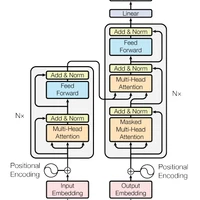

Towards Agentic Intelligence for Materials Science
The convergence of artificial intelligence and materials science presents a transformative opportunity, but achieving true acceleration in discovery requires moving beyond task-isolated, fine-tuned models toward agentic systems that plan, act, and learn across the full discovery loop. This survey advances a unique pipeline-centric view that spans from corpus curation and pretraining, through domain adaptation and instruction tuning, to goal-conditioned agents interfacing with simulation and experimental platforms. Unlike prior reviews, we treat the entire process as an end-to-end system to be optimized for tangible discovery outcomes rather than proxy benchmarks. This perspective allows us to trace how upstream design choices-such as data curation and training objectives-can be aligned with downstream experimental success through effective credit assignment. To bridge communities and establish a shared frame of reference, we first present an integrated lens that aligns terminology, evaluation, and workflow stages across AI and materials science. We then analyze the field through two focused lenses: From the AI perspective, the survey details LLM strengths in pattern recognition, predictive analytics, and natural language processing for literature mining, materials characterization, and property prediction; from the materials science perspective, it highlights applications in materials design, process optimization, and the acceleration of computational workflows via integration with external tools (e.g., DFT, robotic labs). Finally, we contrast passive, reactive approaches with agentic design, cataloging current contributions while motivating systems that pursue long-horizon goals with autonomy, memory, and tool use. This survey charts a practical roadmap towards autonomous, safety-aware LLM agents aimed at discovering novel and useful materials.


On-Device Language Models: A Comprehensive Review
The advent of large language models (LLMs) revolutionized natural language processing applications, and running LLMs on edge devices has become increasingly attractive for reasons including reduced latency, data localization, and personalized user experiences. This comprehensive review examines the challenges of deploying computationally expensive LLMs on resource-constrained devices and explores innovative solutions across multiple domains. The paper investigates the development of on-device language models, their efficient architectures, including parameter sharing and modular designs, as well as state-of-the-art compression techniques like quantization, pruning, and knowledge distillation. Hardware acceleration strategies and collaborative edge-cloud deployment approaches are analyzed, highlighting the intricate balance between performance and resource utilization. Case studies of on-device language models from major mobile manufacturers demonstrate real-world applications and potential benefits. The review also addresses critical aspects such as adaptive learning, multi-modal capabilities, and personalization. By identifying key research directions and open challenges, this paper provides a roadmap for future advancements in on-device language models, emphasizing the need for interdisciplinary efforts to realize the full potential of ubiquitous, intelligent computing while ensuring responsible and ethical deployment. For a comprehensive review of research work and educational resources on on-device large language models (LLMs), please visit https://github.com/NexaAI/Awesome-LLMs-on-device. To download and run on-device LLMs, visit https://www.nexaai.com/models.
How to Train Your LLM Web Agent: A Statistical Diagnosis
LLM-based web agents have recently made significant progress, but much of it has occurred in closed-source systems, widening the gap with open-source alternatives. Progress has been held back by two key challenges: first, a narrow focus on single-step tasks that overlooks the complexity of multi-step web interactions; and second, the high compute costs required to post-train LLM-based web agents. To address this, we present the first statistically grounded study on compute allocation for LLM web-agent post-training. Our approach uses a two-stage pipeline, training a Llama 3.1 8B student to imitate a Llama 3.3 70B teacher via supervised fine-tuning (SFT), followed by on-policy reinforcement learning. We find this process highly sensitive to hyperparameter choices, making exhaustive sweeps impractical. To spare others from expensive trial-and-error, we sample 1,370 configurations and use bootstrapping to estimate effective hyperparameters. Our results show that combining SFT with on-policy RL consistently outperforms either approach alone on both WorkArena and MiniWob++. Further, this strategy requires only 55% of the compute to match the peak performance of pure SFT on MiniWob++, effectively pushing the compute-performance Pareto frontier, and is the only strategy that can close the gap with closed-source models.



AssetOpsBench: Benchmarking AI Agents for Task Automation in Industrial Asset Operations and Maintenance
AI for Industrial Asset Lifecycle Management aims to automate complex operational workflows -- such as condition monitoring, maintenance planning, and intervention scheduling -- to reduce human workload and minimize system downtime. Traditional AI/ML approaches have primarily tackled these problems in isolation, solving narrow tasks within the broader operational pipeline. In contrast, the emergence of AI agents and large language models (LLMs) introduces a next-generation opportunity: enabling end-to-end automation across the entire asset lifecycle. This paper envisions a future where AI agents autonomously manage tasks that previously required distinct expertise and manual coordination. To this end, we introduce AssetOpsBench -- a unified framework and environment designed to guide the development, orchestration, and evaluation of domain-specific agents tailored for Industry 4.0 applications. We outline the key requirements for such holistic systems and provide actionable insights into building agents that integrate perception, reasoning, and control for real-world industrial operations. The software is available at https://github.com/IBM/AssetOpsBench.





ORMind: A Cognitive-Inspired End-to-End Reasoning Framework for Operations Research
Operations research (OR) is widely deployed to solve critical decision-making problems with complex objectives and constraints, impacting manufacturing, logistics, finance, and healthcare outcomes. While Large Language Models (LLMs) have shown promising results in various domains, their practical application in industry-relevant operations research (OR) problems presents significant challenges and opportunities. Preliminary industrial applications of LLMs for operations research face two critical deployment challenges: 1) Self-correction focuses on code syntax rather than mathematical accuracy, causing costly errors; 2) Complex expert selection creates unpredictable workflows that reduce transparency and increase maintenance costs, making them impractical for time-sensitive business applications. To address these business limitations, we introduce ORMind, a cognitive-inspired framework that enhances optimization through counterfactual reasoning. Our approach emulates human cognition, implementing an end-to-end workflow that systematically transforms requirements into mathematical models and executable solver code. It is currently being tested internally in Lenovo's AI Assistant, with plans to enhance optimization capabilities for both business and consumer customers. Experiments demonstrate that ORMind outperforms existing methods, achieving a 9.5\% improvement on the NL4Opt dataset and a 14.6\% improvement on the ComplexOR dataset.
How Do Agentic AI Systems Deal With Software Energy Concerns? A Pull Request-Based Study
As Software Engineering enters its new era (SE 3.0), AI coding agents increasingly automate software development workflows. However, it remains unclear how exactly these agents recognize and address software energy concerns-an issue growing in importance due to large-scale data centers, energy-hungry language models, and battery-constrained devices. In this paper, we examined the energy awareness of agent-authored pull requests (PRs) using a publicly available dataset. We identified 216 energy-explicit PRs and conducted a thematic analysis, deriving a taxonomy of energy-aware work. Our further analysis of the applied optimization techniques shows that most align with established research recommendations. Although building and running these agents is highly energy intensive, encouragingly, the results indicate that they exhibit energy awareness when generating software artifacts. However, optimization-related PRs are accepted less frequently than others, largely due to their negative impact on maintainability.
AInsteinBench: Benchmarking Coding Agents on Scientific Repositories
We introduce AInsteinBench, a large-scale benchmark for evaluating whether large language model (LLM) agents can operate as scientific computing development agents within real research software ecosystems. Unlike existing scientific reasoning benchmarks which focus on conceptual knowledge, or software engineering benchmarks that emphasize generic feature implementation and issue resolving, AInsteinBench evaluates models in end-to-end scientific development settings grounded in production-grade scientific repositories. The benchmark consists of tasks derived from maintainer-authored pull requests across six widely used scientific codebases, spanning quantum chemistry, quantum computing, molecular dynamics, numerical relativity, fluid dynamics, and cheminformatics. All benchmark tasks are carefully curated through multi-stage filtering and expert review to ensure scientific challenge, adequate test coverage, and well-calibrated difficulty. By leveraging evaluation in executable environments, scientifically meaningful failure modes, and test-driven verification, AInsteinBench measures a model's ability to move beyond surface-level code generation toward the core competencies required for computational scientific research.

iScheduler: Reinforcement Learning-Driven Continual Optimization for Large-Scale Resource Investment Problems
Scheduling precedence-constrained tasks under shared renewable resources is central to modern computing platforms. The Resource Investment Problem (RIP) models this setting by minimizing the cost of provisioned renewable resources under precedence and timing constraints. Exact mixed-integer programming and constraint programming become impractically slow on large instances, and dynamic updates require schedule revisions under tight latency budgets. We present iScheduler, a reinforcement-learning-driven iterative scheduling framework that formulates RIP solving as a Markov decision process over decomposed subproblems and constructs schedules through sequential process selection. The framework accelerates optimization and supports reconfiguration by reusing unchanged process schedules and rescheduling only affected processes. We also release L-RIPLIB, an industrial-scale benchmark derived from cloud-platform workloads with 1,000 instances of 2,500-10,000 tasks. Experiments show that iScheduler attains competitive resource costs while reducing time to feasibility by up to 43times against strong commercial baselines.
Towards Trustworthy Machine Learning in Production: An Overview of the Robustness in MLOps Approach
Artificial intelligence (AI), and especially its sub-field of Machine Learning (ML), are impacting the daily lives of everyone with their ubiquitous applications. In recent years, AI researchers and practitioners have introduced principles and guidelines to build systems that make reliable and trustworthy decisions. From a practical perspective, conventional ML systems process historical data to extract the features that are consequently used to train ML models that perform the desired task. However, in practice, a fundamental challenge arises when the system needs to be operationalized and deployed to evolve and operate in real-life environments continuously. To address this challenge, Machine Learning Operations (MLOps) have emerged as a potential recipe for standardizing ML solutions in deployment. Although MLOps demonstrated great success in streamlining ML processes, thoroughly defining the specifications of robust MLOps approaches remains of great interest to researchers and practitioners. In this paper, we provide a comprehensive overview of the trustworthiness property of MLOps systems. Specifically, we highlight technical practices to achieve robust MLOps systems. In addition, we survey the existing research approaches that address the robustness aspects of ML systems in production. We also review the tools and software available to build MLOps systems and summarize their support to handle the robustness aspects. Finally, we present the open challenges and propose possible future directions and opportunities within this emerging field. The aim of this paper is to provide researchers and practitioners working on practical AI applications with a comprehensive view to adopt robust ML solutions in production environments.

Experimenting with Emerging RISC-V Systems for Decentralised Machine Learning
Decentralised Machine Learning (DML) enables collaborative machine learning without centralised input data. Federated Learning (FL) and Edge Inference are examples of DML. While tools for DML (especially FL) are starting to flourish, many are not flexible and portable enough to experiment with novel processors (e.g., RISC-V), non-fully connected network topologies, and asynchronous collaboration schemes. We overcome these limitations via a domain-specific language allowing us to map DML schemes to an underlying middleware, i.e. the FastFlow parallel programming library. We experiment with it by generating different working DML schemes on x86-64 and ARM platforms and an emerging RISC-V one. We characterise the performance and energy efficiency of the presented schemes and systems. As a byproduct, we introduce a RISC-V porting of the PyTorch framework, the first publicly available to our knowledge.




KForge: Program Synthesis for Diverse AI Hardware Accelerators
GPU kernels are critical for ML performance but difficult to optimize across diverse accelerators. We present KForge, a platform-agnostic framework built on two collaborative LLM-based agents: a generation agent that produces and iteratively refines programs through compilation and correctness feedback, and a performance analysis agent that interprets profiling data to guide optimization. This agent-based architecture requires only a single-shot example to target new platforms. We make three key contributions: (1) introducing an iterative refinement system where the generation agent and performance analysis agent collaborate through functional and optimization passes, interpreting diverse profiling data (from programmatic APIs to GUI-based tools) to generate actionable recommendations that guide program synthesis for arbitrary accelerators; (2) demonstrating that the generation agent effectively leverages cross-platform knowledge transfer, where a reference implementation from one architecture substantially improves generation quality for different hardware targets; and (3) validating the platform-agnostic nature of our approach by demonstrating effective program synthesis across fundamentally different parallel computing platforms: NVIDIA CUDA and Apple Metal.
Split Computing and Early Exiting for Deep Learning Applications: Survey and Research Challenges
Mobile devices such as smartphones and autonomous vehicles increasingly rely on deep neural networks (DNNs) to execute complex inference tasks such as image classification and speech recognition, among others. However, continuously executing the entire DNN on mobile devices can quickly deplete their battery. Although task offloading to cloud/edge servers may decrease the mobile device's computational burden, erratic patterns in channel quality, network, and edge server load can lead to a significant delay in task execution. Recently, approaches based on split computing (SC) have been proposed, where the DNN is split into a head and a tail model, executed respectively on the mobile device and on the edge server. Ultimately, this may reduce bandwidth usage as well as energy consumption. Another approach, called early exiting (EE), trains models to embed multiple "exits" earlier in the architecture, each providing increasingly higher target accuracy. Therefore, the trade-off between accuracy and delay can be tuned according to the current conditions or application demands. In this paper, we provide a comprehensive survey of the state of the art in SC and EE strategies by presenting a comparison of the most relevant approaches. We conclude the paper by providing a set of compelling research challenges.

AI Agents vs. Agentic AI: A Conceptual Taxonomy, Applications and Challenge
This study critically distinguishes between AI Agents and Agentic AI, offering a structured conceptual taxonomy, application mapping, and challenge analysis to clarify their divergent design philosophies and capabilities. We begin by outlining the search strategy and foundational definitions, characterizing AI Agents as modular systems driven by Large Language Models (LLMs) and Large Image Models (LIMs) for narrow, task-specific automation. Generative AI is positioned as a precursor, with AI Agents advancing through tool integration, prompt engineering, and reasoning enhancements. In contrast, Agentic AI systems represent a paradigmatic shift marked by multi-agent collaboration, dynamic task decomposition, persistent memory, and orchestrated autonomy. Through a sequential evaluation of architectural evolution, operational mechanisms, interaction styles, and autonomy levels, we present a comparative analysis across both paradigms. Application domains such as customer support, scheduling, and data summarization are contrasted with Agentic AI deployments in research automation, robotic coordination, and medical decision support. We further examine unique challenges in each paradigm including hallucination, brittleness, emergent behavior, and coordination failure and propose targeted solutions such as ReAct loops, RAG, orchestration layers, and causal modeling. This work aims to provide a definitive roadmap for developing robust, scalable, and explainable AI agent and Agentic AI-driven systems. >AI Agents, Agent-driven, Vision-Language-Models, Agentic AI Decision Support System, Agentic-AI Applications


Accelerating In-Browser Deep Learning Inference on Diverse Edge Clients through Just-in-Time Kernel Optimizations
Web applications are increasingly becoming the primary platform for AI service delivery, making in-browser deep learning (DL) inference more prominent. However, current in-browser inference systems fail to effectively utilize advanced web programming techniques and customize kernels for various client devices, leading to suboptimal performance. To address the issues, this paper presents the first in-browser inference system, nn-JIT.web, which enables just-in-time (JIT) auto-generation of optimized kernels for both CPUs and GPUs during inference. The system achieves this by using two novel web programming techniques that can significantly reduce kernel generation time, compared to other tensor compilers such as TVM, while maintaining or even improving performance. The first technique, Tensor-Web Compiling Co-Design, lowers compiling costs by unifying tensor and web compiling and eliminating redundant and ineffective compiling passes. The second technique, Web-Specific Lite Kernel Optimization Space Design, reduces kernel tuning costs by focusing on web programming requirements and efficient hardware resource utilization, limiting the optimization space to only dozens. nn-JIT.web is evaluated for modern transformer models on a range of client devices, including the mainstream CPUs and GPUs from ARM, Intel, AMD and Nvidia. Results show that nn-JIT.web can achieve up to 8.2x faster within 30 seconds compared to the baselines across various models.

InnoGym: Benchmarking the Innovation Potential of AI Agents
LLMs and Agents have achieved impressive progress in code generation, mathematical reasoning, and scientific discovery. However, existing benchmarks primarily measure correctness, overlooking the diversity of methods behind solutions. True innovation depends not only on producing correct answers but also on the originality of the approach. We present InnoGym, the first benchmark and framework designed to systematically evaluate the innovation potential of AI agents. InnoGym introduces two complementary metrics: performance gain, which measures improvement over the best-known solutions, and novelty, which captures methodological differences from prior approaches. The benchmark includes 18 carefully curated tasks from real-world engineering and scientific domains, each standardized through resource filtering, evaluator validation, and solution collection. In addition, we provide iGym, a unified execution environment for reproducible and long-horizon evaluations. Extensive experiments show that while some agents produce novel approaches, their lack of robustness limits performance gains. These results highlight a key gap between creativity and effectiveness, underscoring the need for benchmarks that evaluate both.

TrimR: Verifier-based Training-Free Thinking Compression for Efficient Test-Time Scaling
Large Reasoning Models (LRMs) demonstrate exceptional capability in tackling complex mathematical, logical, and coding tasks by leveraging extended Chain-of-Thought (CoT) reasoning. Test-time scaling methods, such as prolonging CoT with explicit token-level exploration, can push LRMs' accuracy boundaries, but they incur significant decoding overhead. A key inefficiency source is LRMs often generate redundant thinking CoTs, which demonstrate clear structured overthinking and underthinking patterns. Inspired by human cognitive reasoning processes and numerical optimization theories, we propose TrimR, a verifier-based, training-free, efficient framework for dynamic CoT compression to trim reasoning and enhance test-time scaling, explicitly tailored for production-level deployment. Our method employs a lightweight, pretrained, instruction-tuned verifier to detect and truncate redundant intermediate thoughts of LRMs without any LRM or verifier fine-tuning. We present both the core algorithm and asynchronous online system engineered for high-throughput industrial applications. Empirical evaluations on Ascend NPUs and vLLM show that our framework delivers substantial gains in inference efficiency under large-batch workloads. In particular, on the four MATH500, AIME24, AIME25, and GPQA benchmarks, the reasoning runtime of Pangu Pro MoE, Pangu-R-38B, QwQ-32B, and DeepSeek-R1-Distill-Qwen-32B is improved by up to 70% with negligible impact on accuracy.

ARE: Scaling Up Agent Environments and Evaluations
We introduce Meta Agents Research Environments (ARE), a research platform for scalable creation of environments, integration of synthetic or real applications, and execution of agentic orchestrations. ARE provides simple abstractions to build complex and diverse environments, each with their own rules, tools, content, and verifiers, helping to bridge the gap between model development and real-world deployment. We also propose Gaia2, a benchmark built in ARE and designed to measure general agent capabilities. Beyond search and execution, Gaia2 requires agents to handle ambiguities and noise, adapt to dynamic environments, collaborate with other agents, and operate under temporal constraints. Unlike prior benchmarks, Gaia2 runs asynchronously, surfacing new failure modes that are invisible in static settings. Our experiments show that no system dominates across the intelligence spectrum: stronger reasoning often comes at the cost of efficiency, and budget scaling curves plateau, highlighting the need for new architectures and adaptive compute strategies. Perhaps more importantly, ARE abstractions enable continuous extension of Gaia2 to other environments, empowering the community to rapidly create new benchmarks tailored to their domains. In AI's second half, progress increasingly depends on defining meaningful tasks and robust evaluations to drive frontier capabilities forward.





RoboOS: A Hierarchical Embodied Framework for Cross-Embodiment and Multi-Agent Collaboration
The dawn of embodied intelligence has ushered in an unprecedented imperative for resilient, cognition-enabled multi-agent collaboration across next-generation ecosystems, revolutionizing paradigms in autonomous manufacturing, adaptive service robotics, and cyber-physical production architectures. However, current robotic systems face significant limitations, such as limited cross-embodiment adaptability, inefficient task scheduling, and insufficient dynamic error correction. While End-to-end VLA models demonstrate inadequate long-horizon planning and task generalization, hierarchical VLA models suffer from a lack of cross-embodiment and multi-agent coordination capabilities. To address these challenges, we introduce RoboOS, the first open-source embodied system built on a Brain-Cerebellum hierarchical architecture, enabling a paradigm shift from single-agent to multi-agent intelligence. Specifically, RoboOS consists of three key components: (1) Embodied Brain Model (RoboBrain), a MLLM designed for global perception and high-level decision-making; (2) Cerebellum Skill Library, a modular, plug-and-play toolkit that facilitates seamless execution of multiple skills; and (3) Real-Time Shared Memory, a spatiotemporal synchronization mechanism for coordinating multi-agent states. By integrating hierarchical information flow, RoboOS bridges Embodied Brain and Cerebellum Skill Library, facilitating robust planning, scheduling, and error correction for long-horizon tasks, while ensuring efficient multi-agent collaboration through Real-Time Shared Memory. Furthermore, we enhance edge-cloud communication and cloud-based distributed inference to facilitate high-frequency interactions and enable scalable deployment. Extensive real-world experiments across various scenarios, demonstrate RoboOS's versatility in supporting heterogeneous embodiments. Project website: https://github.com/FlagOpen/RoboOS


Generative AI for Video Translation: A Scalable Architecture for Multilingual Video Conferencing
The real-time deployment of cascaded generative AI pipelines for applications like video translation is constrained by significant system-level challenges. These include the cumulative latency of sequential model inference and the quadratic (O(N^2)) computational complexity that renders multi-user video conferencing applications unscalable. This paper proposes and evaluates a practical system-level framework designed to mitigate these critical bottlenecks. The proposed architecture incorporates a turn-taking mechanism to reduce computational complexity from quadratic to linear in multi-user scenarios, and a segmented processing protocol to manage inference latency for a perceptually real-time experience. We implement a proof-of-concept pipeline and conduct a rigorous performance analysis across a multi-tiered hardware setup, including commodity (NVIDIA RTX 4060), cloud (NVIDIA T4), and enterprise (NVIDIA A100) GPUs. Our objective evaluation demonstrates that the system achieves real-time throughput (τ< 1.0) on modern hardware. A subjective user study further validates the approach, showing that a predictable, initial processing delay is highly acceptable to users in exchange for a smooth, uninterrupted playback experience. The work presents a validated, end-to-end system design that offers a practical roadmap for deploying scalable, real-time generative AI applications in multilingual communication platforms.

Exploring the sustainable scaling of AI dilemma: A projective study of corporations' AI environmental impacts
The rapid growth of artificial intelligence (AI), particularly Large Language Models (LLMs), has raised concerns regarding its global environmental impact that extends beyond greenhouse gas emissions to include consideration of hardware fabrication and end-of-life processes. The opacity from major providers hinders companies' abilities to evaluate their AI-related environmental impacts and achieve net-zero targets. In this paper, we propose a methodology to estimate the environmental impact of a company's AI portfolio, providing actionable insights without necessitating extensive AI and Life-Cycle Assessment (LCA) expertise. Results confirm that large generative AI models consume up to 4600x more energy than traditional models. Our modelling approach, which accounts for increased AI usage, hardware computing efficiency, and changes in electricity mix in line with IPCC scenarios, forecasts AI electricity use up to 2030. Under a high adoption scenario, driven by widespread Generative AI and agents adoption associated to increasingly complex models and frameworks, AI electricity use is projected to rise by a factor of 24.4. Mitigating the environmental impact of Generative AI by 2030 requires coordinated efforts across the AI value chain. Isolated measures in hardware efficiency, model efficiency, or grid improvements alone are insufficient. We advocate for standardized environmental assessment frameworks, greater transparency from the all actors of the value chain and the introduction of a "Return on Environment" metric to align AI development with net-zero goals.


OWL: Optimized Workforce Learning for General Multi-Agent Assistance in Real-World Task Automation
Large Language Model (LLM)-based multi-agent systems show promise for automating real-world tasks but struggle to transfer across domains due to their domain-specific nature. Current approaches face two critical shortcomings: they require complete architectural redesign and full retraining of all components when applied to new domains. We introduce Workforce, a hierarchical multi-agent framework that decouples strategic planning from specialized execution through a modular architecture comprising: (i) a domain-agnostic Planner for task decomposition, (ii) a Coordinator for subtask management, and (iii) specialized Workers with domain-specific tool-calling capabilities. This decoupling enables cross-domain transferability during both inference and training phases: During inference, Workforce seamlessly adapts to new domains by adding or modifying worker agents; For training, we introduce Optimized Workforce Learning (OWL), which improves generalization across domains by optimizing a domain-agnostic planner with reinforcement learning from real-world feedback. To validate our approach, we evaluate Workforce on the GAIA benchmark, covering various realistic, multi-domain agentic tasks. Experimental results demonstrate Workforce achieves open-source state-of-the-art performance (69.70%), outperforming commercial systems like OpenAI's Deep Research by 2.34%. More notably, our OWL-trained 32B model achieves 52.73% accuracy (+16.37%) and demonstrates performance comparable to GPT-4o on challenging tasks. To summarize, by enabling scalable generalization and modular domain transfer, our work establishes a foundation for the next generation of general-purpose AI assistants.



ConsumerBench: Benchmarking Generative AI Applications on End-User Devices
The recent shift in Generative AI (GenAI) applications from cloud-only environments to end-user devices introduces new challenges in resource management, system efficiency, and user experience. This paper presents ConsumerBench, a comprehensive benchmarking framework designed to evaluate the system efficiency and response time of GenAI models running on end-user devices. Unlike existing benchmarks that assume exclusive model access on dedicated GPUs, ConsumerBench simulates realistic multi-application scenarios executing concurrently on constrained hardware. Furthermore, ConsumerBench supports customizable workflows that simulate complex tasks requiring coordination among multiple applications. ConsumerBench captures both application-level metrics, including latency and Service Level Objective (SLO) attainment, and system-level metrics like CPU/GPU utilization and memory bandwidth. Through extensive experiments, ConsumerBench reveals inefficiencies in resource sharing, unfair scheduling under greedy allocation, and performance pitfalls of static model server configurations. The paper also provides practical insights for model developers and system designers, highlighting the benefits of custom kernels tailored to consumer-grade GPU architectures and the value of implementing SLO-aware scheduling strategies.


Accelerating Computer Architecture Simulation through Machine Learning
This paper presents our approach to accelerate computer architecture simulation by leveraging machine learning techniques. Traditional computer architecture simulations are time-consuming, making it challenging to explore different design choices efficiently. Our proposed model utilizes a combination of application features and micro-architectural features to predict the performance of an application. These features are derived from simulations of a small portion of the application. We demonstrate the effectiveness of our approach by building and evaluating a machine learning model that offers significant speedup in architectural exploration. This model demonstrates the ability to predict IPC values for the testing data with a root mean square error of less than 0.1.
The AI Scientist-v2: Workshop-Level Automated Scientific Discovery via Agentic Tree Search
AI is increasingly playing a pivotal role in transforming how scientific discoveries are made. We introduce The AI Scientist-v2, an end-to-end agentic system capable of producing the first entirely AI generated peer-review-accepted workshop paper. This system iteratively formulates scientific hypotheses, designs and executes experiments, analyzes and visualizes data, and autonomously authors scientific manuscripts. Compared to its predecessor (v1, Lu et al., 2024 arXiv:2408.06292), The AI Scientist-v2 eliminates the reliance on human-authored code templates, generalizes effectively across diverse machine learning domains, and leverages a novel progressive agentic tree-search methodology managed by a dedicated experiment manager agent. Additionally, we enhance the AI reviewer component by integrating a Vision-Language Model (VLM) feedback loop for iterative refinement of content and aesthetics of the figures. We evaluated The AI Scientist-v2 by submitting three fully autonomous manuscripts to a peer-reviewed ICLR workshop. Notably, one manuscript achieved high enough scores to exceed the average human acceptance threshold, marking the first instance of a fully AI-generated paper successfully navigating a peer review. This accomplishment highlights the growing capability of AI in conducting all aspects of scientific research. We anticipate that further advancements in autonomous scientific discovery technologies will profoundly impact human knowledge generation, enabling unprecedented scalability in research productivity and significantly accelerating scientific breakthroughs, greatly benefiting society at large. We have open-sourced the code at https://github.com/SakanaAI/AI-Scientist-v2 to foster the future development of this transformative technology. We also discuss the role of AI in science, including AI safety.



The FM Agent
Large language models (LLMs) are catalyzing the development of autonomous AI research agents for scientific and engineering discovery. We present FM Agent, a novel and general-purpose multi-agent framework that leverages a synergistic combination of LLM-based reasoning and large-scale evolutionary search to address complex real-world challenges. The core of FM Agent integrates several key innovations: 1) a cold-start initialization phase incorporating expert guidance, 2) a novel evolutionary sampling strategy for iterative optimization, 3) domain-specific evaluators that combine correctness, effectiveness, and LLM-supervised feedback, and 4) a distributed, asynchronous execution infrastructure built on Ray. Demonstrating broad applicability, our system has been evaluated across diverse domains, including operations research, machine learning, GPU kernel optimization, and classical mathematical problems. FM Agent reaches state-of-the-art results autonomously, without human interpretation or tuning -- 1976.3 on ALE-Bench (+5.2\%), 43.56\% on MLE-Bench (+4.0pp), up to 20x speedups on KernelBench, and establishes new state-of-the-art(SOTA) results on several classical mathematical problems. Beyond academic benchmarks, FM Agent shows considerable promise for both large-scale enterprise R\&D workflows and fundamental scientific research, where it can accelerate innovation, automate complex discovery processes, and deliver substantial engineering and scientific advances with broader societal impact.
A Comprehensive Survey of Deep Research: Systems, Methodologies, and Applications
This survey examines the rapidly evolving field of Deep Research systems -- AI-powered applications that automate complex research workflows through the integration of large language models, advanced information retrieval, and autonomous reasoning capabilities. We analyze more than 80 commercial and non-commercial implementations that have emerged since 2023, including OpenAI/Deep Research, Gemini/Deep Research, Perplexity/Deep Research, and numerous open-source alternatives. Through comprehensive examination, we propose a novel hierarchical taxonomy that categorizes systems according to four fundamental technical dimensions: foundation models and reasoning engines, tool utilization and environmental interaction, task planning and execution control, and knowledge synthesis and output generation. We explore the architectural patterns, implementation approaches, and domain-specific adaptations that characterize these systems across academic, scientific, business, and educational applications. Our analysis reveals both the significant capabilities of current implementations and the technical and ethical challenges they present regarding information accuracy, privacy, intellectual property, and accessibility. The survey concludes by identifying promising research directions in advanced reasoning architectures, multimodal integration, domain specialization, human-AI collaboration, and ecosystem standardization that will likely shape the future evolution of this transformative technology. By providing a comprehensive framework for understanding Deep Research systems, this survey contributes to both the theoretical understanding of AI-augmented knowledge work and the practical development of more capable, responsible, and accessible research technologies. The paper resources can be viewed at https://github.com/scienceaix/deepresearch.
The ML.ENERGY Benchmark: Toward Automated Inference Energy Measurement and Optimization
As the adoption of Generative AI in real-world services grow explosively, energy has emerged as a critical bottleneck resource. However, energy remains a metric that is often overlooked, under-explored, or poorly understood in the context of building ML systems. We present the ML.ENERGY Benchmark, a benchmark suite and tool for measuring inference energy consumption under realistic service environments, and the corresponding ML.ENERGY Leaderboard, which have served as a valuable resource for those hoping to understand and optimize the energy consumption of their generative AI services. In this paper, we explain four key design principles for benchmarking ML energy we have acquired over time, and then describe how they are implemented in the ML.ENERGY Benchmark. We then highlight results from the latest iteration of the benchmark, including energy measurements of 40 widely used model architectures across 6 different tasks, case studies of how ML design choices impact energy consumption, and how automated optimization recommendations can lead to significant (sometimes more than 40%) energy savings without changing what is being computed by the model. The ML.ENERGY Benchmark is open-source and can be easily extended to various customized models and application scenarios.